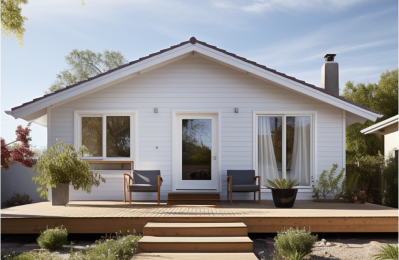

Please note, package contents may be subject to change based on the specific agreement in the contract. While we aim to offer consistent and accurate packages, variations may be negotiated as per the terms and conditions.
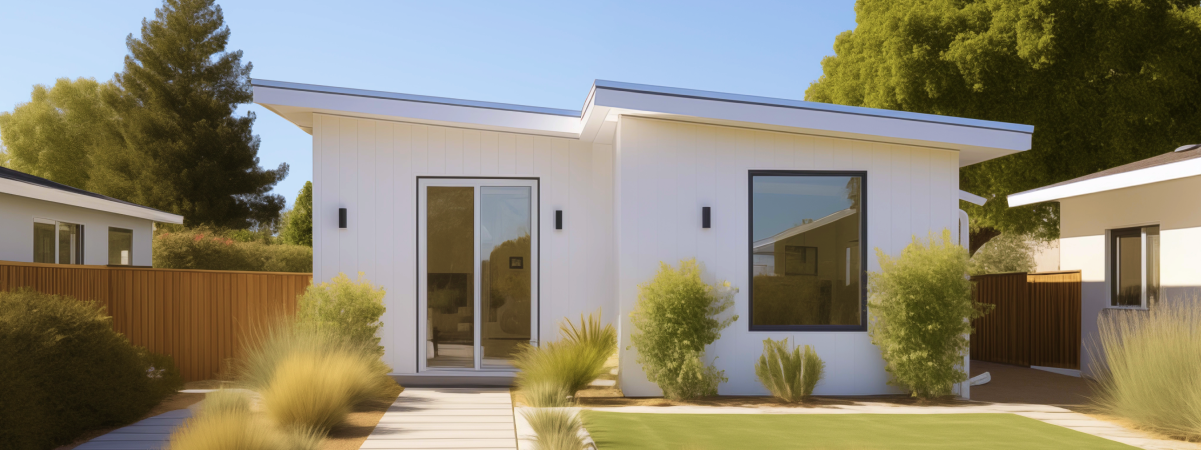
Homeowners across the Antioch area are turning to accessory dwelling units to add space, income, and long-term value to their property. Whether you are considering a detached backyard cottage or an attached addition connected to your primary home, working with experienced ADU contractors makes the difference between a smooth project and a stressful one. This guide walks through everything you need to know about planning, permits, costs, and construction for a new ADU, from the first sketch to the final inspection, and many contractors offer a free consultation to help you assess feasibility before committing to a budget.
An accessory dwelling unit, often shortened to ADU, is a secondary living space built on the same lot as a primary dwelling. In Antioch and across Contra Costa County, ADUs have become one of the most popular ways for property owners to expand without buying additional land. A well-planned new unit can serve as a home office for a growing business, a place for aging parents or adult children, or a rental that generates steady income for years to come.
Antioch’s housing market has tightened in recent years, and many families are looking for creative ways to house relatives, generate extra income, or simply gain more usable space without moving. Local contractors have responded by offering streamlined plan options, transparent pricing, and detailed estimates tailored to the lots and zoning found throughout the city, including corner lots and other tricky configurations. Because every property is different, a good builder starts with a site visit to assess feasibility, review utility hookups, and study the layout of the existing home before recommending a plan.
Choosing a dedicated ADU contractor rather than a general contractor unfamiliar with accessory dwelling projects matters. The ADU building business in Antioch has grown quickly, and experienced contractors know the permit process at Antioch city hall, understand Contra Costa County requirements, and can anticipate the details that often delay a typical build. Many reputable ADU contractor Antioch teams also serve neighboring cities and can offer a free estimate before you commit to a design.
Accessory dwelling projects come in several forms, and understanding the differences helps property owners choose the right plan for their lot. A new ADU can be a small studio, a full one bedroom home, or even a two bedroom layout with a bathroom and kitchen of its own. The right choice depends on your property size, budget, and what you intend to use the space for, whether that is extra living space for family or a new unit you plan to rent out for additional income.
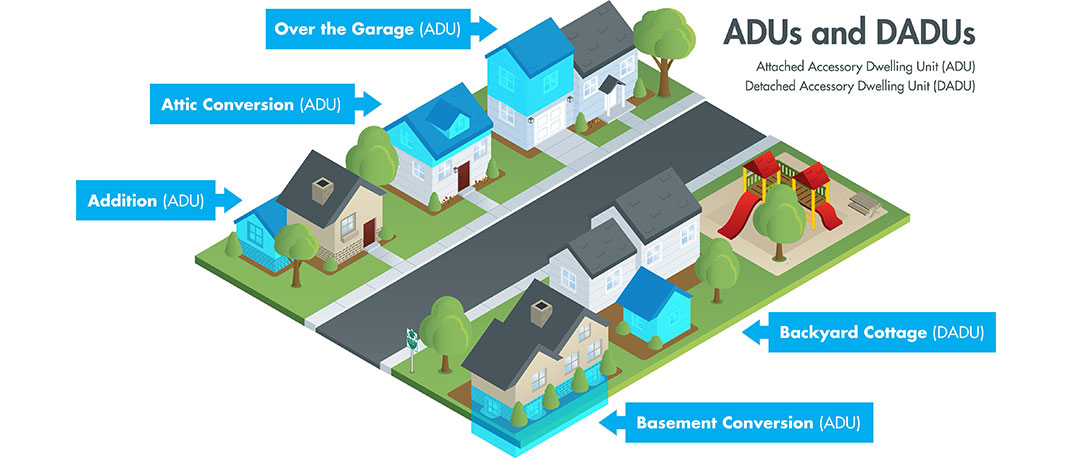
Antioch ADU projects typically fall into three categories: detached structures built separately in the backyard, attached additions that connect directly to the primary dwelling, and converted spaces such as a garage turned into livable square footage. Each option comes with its own construction timeline, cost range, and permit process, so it helps to discuss all three with your builder before settling on a final plan and requesting a free estimate.
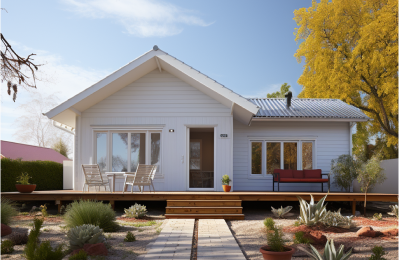
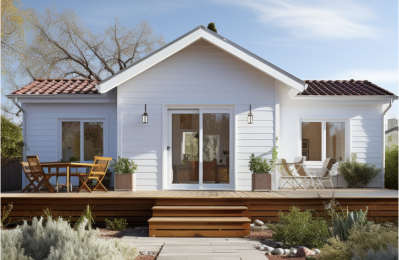
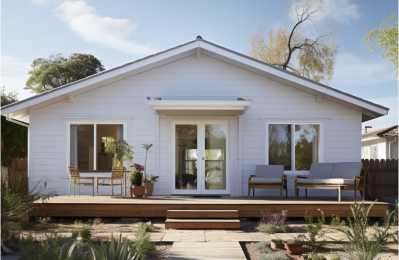
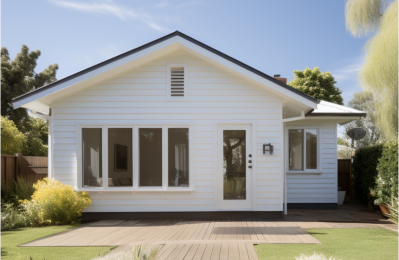
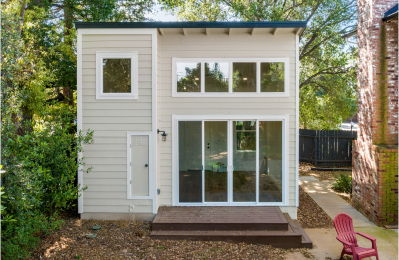
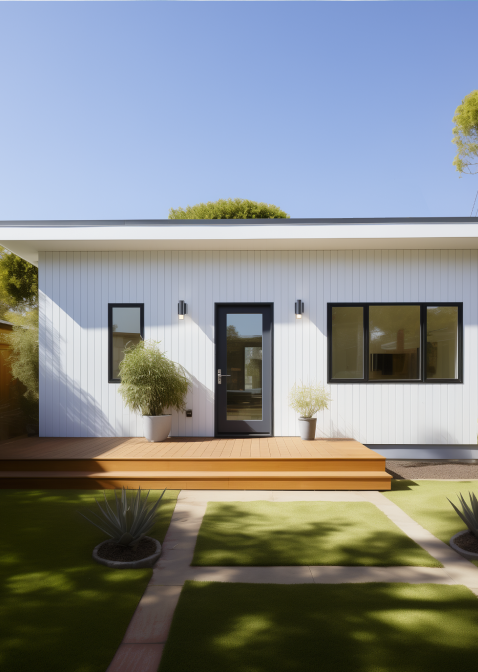
Detached ADUs are freestanding structures built apart from the primary dwelling, usually in the backyard. They offer privacy for both the property owner and the occupant, which makes them a popular choice for generating income or multigenerational living, including housing adult children close by. These structures require their own foundation, roof, and utility hookups, which can add to full construction costs but also gives homeowners maximum flexibility in design and placement on the property.
A detached ADU on an Antioch property tends to hold its value well because it functions as a separate, self-contained home. It is ideal when the goal is long-term income, since tenants have their own entrance, parking, and outdoor space separate from the main house.
Attached ADUs share a wall or roofline with the existing home, which often reduces construction costs since some utility connections can tie into the existing structure. This configuration works well on smaller Antioch lots, including many corner lots where backyard space is limited, and many families choose it when the plan is to house a relative close to the main house rather than rent to a stranger.
Understanding Antioch ADU regulations before you start is one of the most important steps in the process. California state law sets a baseline for accessory dwelling projects, but the city of Antioch and Contra Costa County apply local standards for setbacks, height limits, parking, and lot coverage. A knowledgeable ADU builder will already be familiar with these regulations and can help you submit a complete permit application on the first try, which saves weeks of back and forth with the city.
Permits are required for grading, site work, foundation work, framing, electrical, plumbing, and final occupancy. Skipping any of these steps can create serious problems later, especially if you plan to rent the unit or sell the property. Contractors who handle the permit process from start to finish take this burden off homeowners and keep the project moving on schedule.
Every ADU project follows a similar sequence, even though the details vary by lot and design. Understanding the process in advance helps homeowners set realistic expectations for the timeline and budget, and requesting a free consultation early on can clarify what to expect.
The first step is choosing a plan that fits your property and your goals. Many ADU contractors offer pre-designed models that can be customized, which speeds up the design phase considerably compared to a fully custom plan drawn from scratch. During pre-construction, the builder finalizes drawings, orders engineering reports if needed, and prepares the documents required to submit for permits and detailed estimates.
Once the plan is finalized, the builder will submit the application to the city of Antioch. This stage includes plan review, corrections if the city requests changes, and final permit issuance. Contractors experienced with Antioch ADU permitting can often move through this stage faster than a first-time applicant working alone.
Full construction begins with site preparation and the foundation, followed by framing, roofing, and the rough installation of electrical and plumbing systems. This is the stage where the new unit starts to take physical shape, and it is also when unexpected site conditions, such as soil issues, are most likely to surface.
After framing and rough systems are inspected and approved, the crew moves on to insulation, drywall, flooring, cabinetry, and bathroom fixtures. The final step is a city inspection to confirm the unit meets code before it can be occupied.
Not every contractor who builds homes has experience with ADU projects, so it pays to ask specific questions before signing a contract. Look for contractors who can show completed ADU projects in Antioch, Oakland, San Leandro, or nearby Contra Costa and Alameda County cities, provide references, explain their approach to permits in detail, and introduce you to the team that will manage your project. A reputable business will have no problem sharing references and detailed estimates, and many will start with a free consultation.
Ask potential contractors how many ADU projects they have completed, whether they handle the permit process in-house, and what their typical construction timeline looks like from groundbreaking to final inspection. Transparent contractors will walk you through cost estimates line by line rather than offering a vague lump sum, will offer a free estimate up front, and will be clear about what is and is not included in the base price.
Costs for a new ADU in Antioch vary widely depending on size, finish level, and whether the unit is attached or detached. A small studio conversion will cost far less than a two bedroom home with a full kitchen and bathroom. Site conditions also play a role, since a lot that requires significant grading, new utility connections, or a sewer upgrade will add to the budget.
Homeowners should budget for design fees, permit fees charged by the city and county, full construction costs, and a contingency for unexpected site conditions. Requesting a free estimate from your builder before construction begins is the best way to avoid surprises. Many Antioch families find that the investment pays off over time, whether they rent the unit, run a small business from it, or simply enjoy the added value when the property eventually sells.
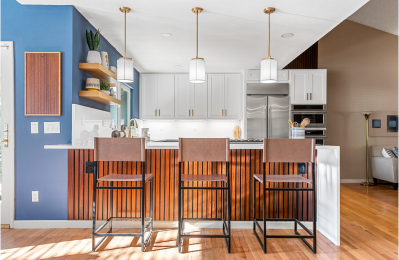
Good space planning makes a small ADU feel comfortable rather than cramped. Contractors who specialize in accessory dwelling projects know how to arrange a kitchen, living area, and bedroom within a compact footprint without sacrificing function. Natural light, storage, and an efficient floor plan matter just as much in a 500 square foot unit as they do in a full-size home.
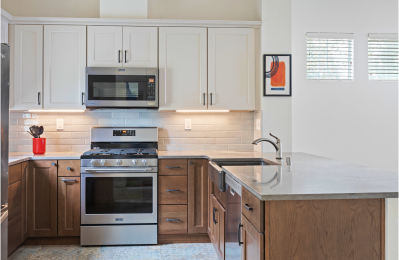
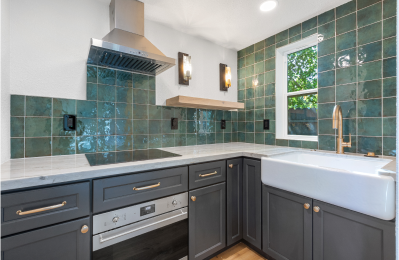
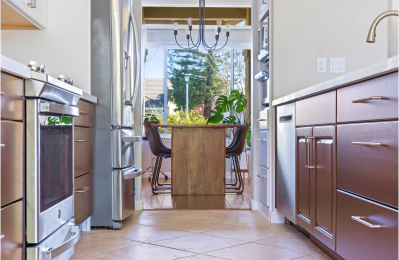
The bathroom is one of the most important rooms to get right in a new ADU, since plumbing placement affects both cost and layout. A well-designed bathroom maximizes a small footprint while still feeling spacious, and choosing durable, low-maintenance fixtures pays off over the life of the unit. The same attention to detail applies to the kitchen, where efficient cabinetry and appliance placement can make a compact space feel much larger than its square footage suggests.
The structural base is the most critical part of any ADU, since the foundation supports everything built above it. Antioch’s soil conditions vary by neighborhood, so qualified contractors will evaluate the site and recommend the right footing type for your property before construction begins. Cutting corners on the foundation or framing to save money upfront often leads to costly repairs later, which is why it is worth choosing contractors who prioritize construction quality over the lowest possible bid.
An accessory dwelling unit is one of the few home improvements that can pay for itself over time. Beyond the immediate benefit of extra living space, a well-built ADU increases property value and gives homeowners a source of ongoing rental income if they choose to lease it. An ADU can also support a home-based business, giving families a dedicated office or workspace separate from the main house. Appraisers in Antioch increasingly recognize ADUs as a meaningful contributor to overall home value, particularly when the unit is finished to the same standard as the primary home.
For those who are not ready to rent the space immediately, an ADU can still create valuable flexibility. It can house a college student returning home, adult children, an aging parent who needs to be nearby, or simply serve as a guest house until the owner decides how best to use it.
Many ADU contractors serving Antioch also work throughout Contra Costa County and neighboring Alameda County, bringing the same design and construction services to families in Walnut Creek, Oakland, San Leandro, Castro Valley, and Albany. Many of these contractors operate as a family-run business that has worked across the region for years. Working with contractors who operate under one roof across multiple cities means the team has seen a wide variety of lot conditions, city requirements, and design challenges, which translates into a smoother process for your project regardless of where your property sits.
Whether your property is in central Antioch, near the Walnut Creek hills, closer to the Oakland or San Leandro waterfront, tucked into the Castro Valley hillsides, or in a quiet Albany neighborhood, the fundamentals of a successful ADU project stay the same: a clear plan, a realistic budget, proper permits, and a construction team that offers a free consultation and communicates throughout the timeline.