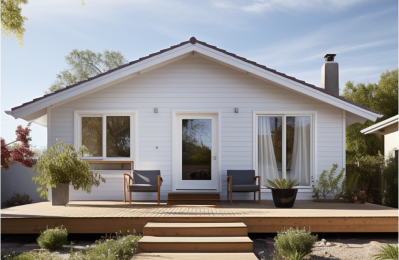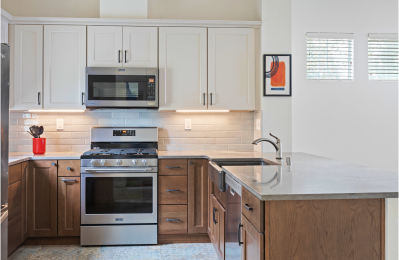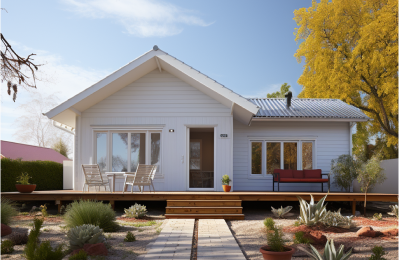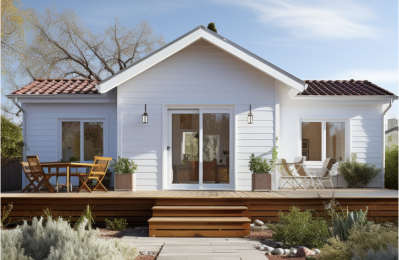

Please note, package contents may be subject to change based on the specific agreement in the contract. While we aim to offer consistent and accurate packages, variations may be negotiated as per the terms and conditions.
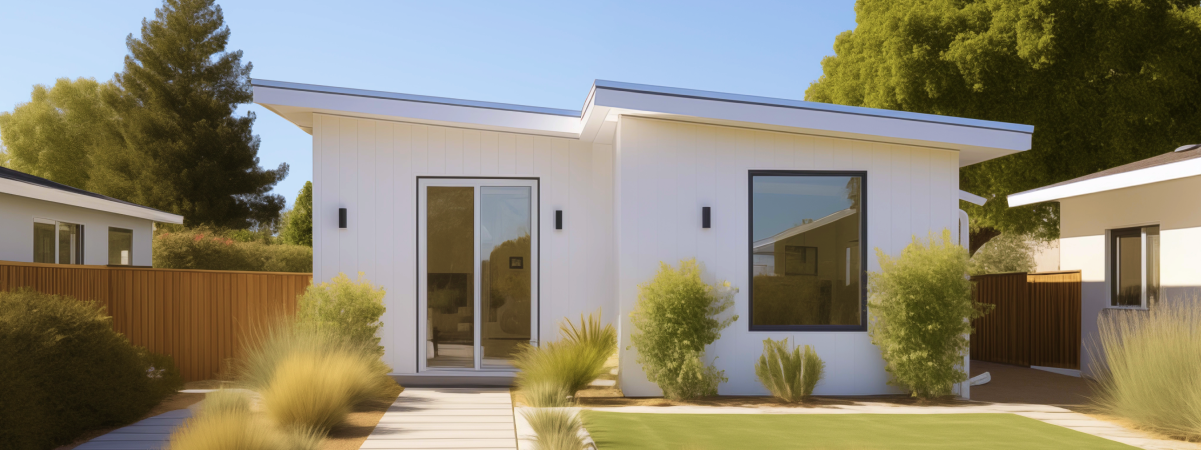
Homeowners across Sonoma County are turning to accessory dwelling units as a practical way to add living space, generate rental income, and increase property value without leaving their existing lot. Working with experienced adu contractors in Sonoma means navigating local zoning rules, local building codes, and the permitting process with a team that understands the region’s building climate. Whether you are exploring granny flats for aging parents, a rental unit for extra income, or a private space for adult children moving back home, the right adu building partner makes the entire process smoother from the first sketch to the final inspection.
This guide walks through what property owners in Sonoma, Santa Rosa, Petaluma, and surrounding communities need to know before starting a project, including how pre reviewed adu plans can shorten the permitting process, what fees to expect, and how our experienced team can support you at every step toward your dream adu.
Sonoma has become one of the more active regions in California for accessory dwelling unit construction. Rising housing costs, limited inventory, and strong demand for rental units have pushed many owners to look at their existing lots differently. An adu adds usable space on a property that already has utilities, access, and infrastructure in place, which keeps construction costs lower than building a standalone home elsewhere.
Local adu builders bring more than swinging a hammer. A seasoned contractor understands Sonoma’s specific setback rules, zoning requirements, fire safety requirements, and the city departments that review plans before construction begins. These units, sometimes called granny flats, junior adus, or in-law units, are also covered by a statewide adu program designed to encourage more housing on residential lots. That knowledge of local regulations often makes the difference between a project that stalls in permitting and one that moves from plans to a finished building in a matter of months.
The benefits of adding an accessory dwelling unit go beyond simple square footage, since adus offer far more than extra sq ft. A well-designed adu can:
For many homeowners, the rental income from a finished adu covers a significant portion of a mortgage payment, making the upfront construction cost a worthwhile investment that unlocks a property’s potential. Quality craftsmanship in the build also protects that value over time, since a well-constructed adu holds up to daily use from tenants or family members.
One of the biggest hurdles in any adu build is the time it takes to get plans approved. This is where pre reviewed adu plans have changed the landscape for owners across Sonoma. Pre reviewed adu plans are building plans that have already been reviewed and approved by the city or county building department, meaning much of the plan check work has already been done before a homeowner even submits an application.
Choosing from a set of pre reviewed plans can cut weeks, sometimes months, off the standard permitting process. Instead of waiting for a full review cycle, homeowners who select pre reviewed adu plans often move through the city review faster because the structural design, fire safety details, and code compliance have already been confirmed.
Most Sonoma jurisdictions, including Santa Rosa, maintain a library of pre reviewed adu plans that homeowners and adu builders can select from as part of the local adu program. The process generally works like this:
Because pre reviewed adu plans have already cleared the technical review, adu builders can often provide homeowners with more accurate cost and timeline estimates from the start. This predictability is one of the biggest reasons pre reviewed plans have grown in popularity among Sonoma property owners planning an adu building project.
Every adu building project follows a similar path, whether it uses a custom design or pre reviewed adu plans. Understanding the process helps homeowners set realistic expectations for timeline and cost.
Before any plans are drawn, an adu builder will visit the site to evaluate lot size, existing structures, utility access, and any constraints that might affect the design. This step determines whether a detached unit, an attached addition, or one of several garage conversions makes the most sense given the layout of the primary home and the property, and it often shapes the architectural plans that follow.
Homeowners decide between a custom design or one of the pre reviewed adu plans available through the city. Many property owners in Sonoma and Santa Rosa opt for pre reviewed plans specifically because of the time savings during permitting.
Once plans are finalized, the contractor submits the application to the city for review. This stage covers plan check, fire department review, and utility coordination.
With permits in hand, construction begins. A typical adu building project includes foundation work, framing, roofing, electrical, plumbing, insulation, drywall, and finish work. Most projects take several months from groundbreaking to completion, depending on whether the unit is 400 sq ft or closer to 1,200 sq ft.
Once construction wraps up, the city conducts final inspections before issuing a certificate of occupancy. At that point, the adu is ready for a tenant, family member, or homeowner to move in.
The permitting process is often the part of an adu project that causes the most uncertainty for homeowners. Sonoma and its cities, including Santa Rosa, have streamlined portions of the review process in recent years specifically to encourage more accessory dwelling units, but the process still requires attention to detail.
An experienced adu builder will handle most of the communication with the city on a homeowner’s behalf, submitting plans that satisfy local zoning regulations, responding to plan check comments, and scheduling inspections. Choosing pre reviewed adu plans can meaningfully reduce the back-and-forth typically seen during permitting, since much of the technical review of zoning requirements has already occurred.
Depending on the property and the city, permitting for an adu build may involve:
Working with adu builders who are familiar with Sonoma’s specific requirements helps property owners avoid delays that come from missing documentation or unfamiliarity with local building codes.
Cost is one of the first questions most homeowners ask when considering an adu building project. The overall cost depends on sq ft, finish level, site conditions, and whether the project uses pre reviewed plans or a fully custom design.
Beyond construction cost, homeowners should budget for permit fees and impact fees charged by the city. These impact fees, which can include school fees and utility connection charges, help fund infrastructure that supports new growth. California’s statewide adu program has reduced or waived certain impact fees for smaller accessory dwelling units, which has made building an adu more accessible and can mean lower costs for many property owners in Sonoma and Santa Rosa.
Several factors influence the total cost of an adu build, including:
A detailed estimate from a qualified adu builder should break down construction cost separately from permit fees and impact fees so property owners understand exactly where the budget is going. Builders who prioritize quality craftsmanship and efficient scheduling can often deliver lower costs without cutting corners on materials.
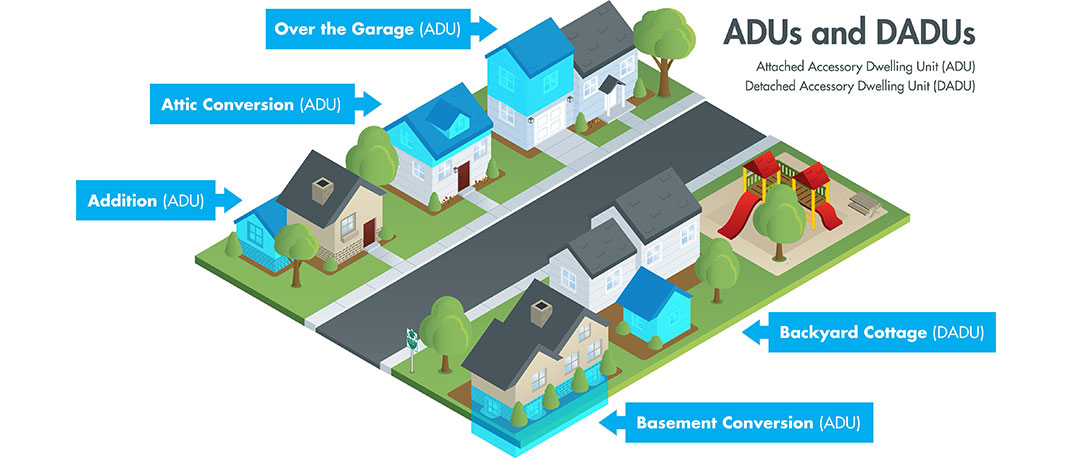
For many property owners, the primary motivation behind an adu project is rental income. A well-built accessory dwelling unit in Sonoma or Santa Rosa can command competitive rent given the ongoing housing shortage across the region. To maximize rental income, homeowners should focus on efficient layouts, private entrances, and durable finishes that appeal to long-term tenants.
Beyond individual financial benefits, accessory dwelling units play a meaningful role in the broader affordable housing conversation. Sonoma has supported adu construction as part of its affordable housing program, recognizing that built adus add housing density without changing neighborhood character. Every new adu built adds a unit of housing supply, which supports the region’s affordable housing goals.
Property owners looking to maximize both rental income and resale value should consider how adus offer long-term flexibility, plus:
Not every general contractor has deep experience with accessory dwelling units, so it pays to work with adu specialists who focus specifically on this type of construction. The right adu builders will guide clients through plan selection, permitting, and construction with clear communication at every stage of the project.
When evaluating experienced adu contractors in Sonoma, ask about experience with pre reviewed adu plans, familiarity with local permitting requirements, and a track record of built adus in the area. A contractor who regularly works with the city on adu building projects will already have relationships that can help move plans through review more efficiently, and can explain how the state adu incentive program applies to a given property.
Before signing a contract, property owners should visit past project sites where possible and ask direct questions, including:
A reputable contractor should be willing to contact previous clients for references and provide a clear breakdown of construction cost, fees, and expected timeline before work begins. Taking the time to compare a few adu builders often helps the process move more smoothly once you select a team that communicates clearly and understands Sonoma’s specific building requirements and local building codes. You can also contact the city planning department directly to confirm current program details and which pre reviewed adu plans are on file.