
Please note, package contents may be subject to change based on the specific agreement in the contract. While we aim to offer consistent and accurate packages, variations may be negotiated as per the terms and conditions.
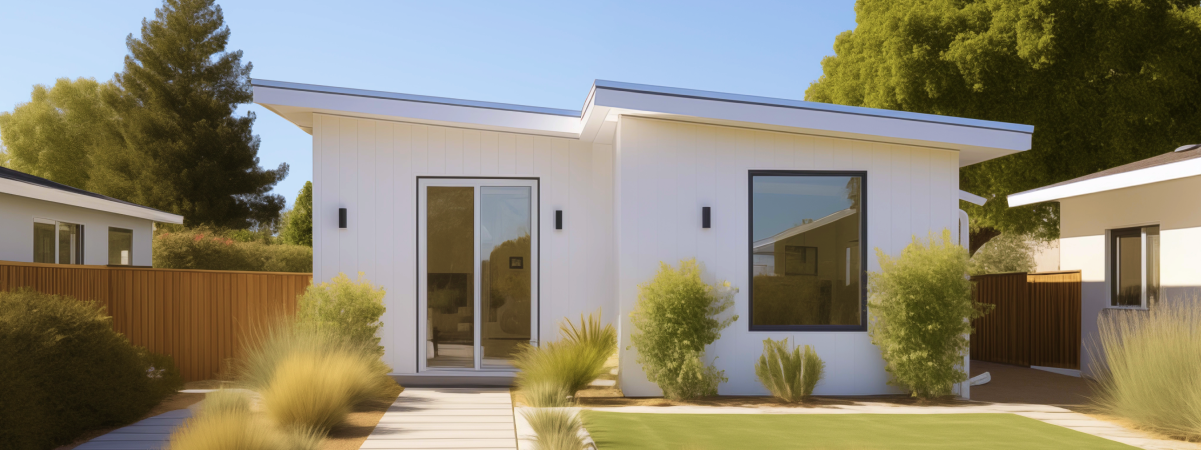
Castro Valley homeowners are increasingly turning to accessory dwelling units as a practical way to add more living space, start creating rental income, and boost long-term property value. Whether you are considering detached ADUs, garage conversions, or an attached addition, working with experienced ADU contractors makes all the difference between a stressful build and a smooth ADU project. This guide walks through everything a homeowner in Castro Valley CA needs to know about ADU construction, from planning and permitting to choosing the right builder for the job. For those who want more than a typical home remodeling upgrade, ADUs offer a self-contained unit with its own kitchen, bathroom, and entrance, unlocking your property’s potential in ways a standard remodel cannot.
Unincorporated Castro Valley falls under Alameda County jurisdiction, which means the permitting process, zoning rules, and inspection requirements differ somewhat from nearby Bay Area cities like San Jose or Oakland. Many Castro Valley property owners start their research the same way they would for any home remodeling project, by comparing local contractors and reading reviews. Understanding these local nuances early can save time and thousands of dollars in rework. That is why so many families in Castro Valley CA rely on trusted ADU builders who already know the Alameda County process inside and out and offer reliable construction services from start to finish.
California’s housing shortage, combined with rising home prices across the Bay Area, has pushed accessory dwelling units into the mainstream. An ADU gives property owners in Castro Valley CA flexibility that a traditional remodel cannot match, since a remodel of the existing house cannot deliver the same independence or create a separate legal dwelling. Aging parents can move closer to family without sacrificing privacy, adult children can save for their own home while living nearby, and property owners can build ADUs that create a steady stream of income from a quality, well-designed unit.
Castro Valley’s suburban character, good schools, and easy commute access to San Jose and the wider Bay Area make it an attractive place to add more living space rather than move. Many homeowners find that an ADU project offers a better return than a kitchen or bathroom remodel because it adds a functional, separate unit rather than simply refreshing an existing one. For growing families, an ADU can also serve as a home office, gym, or extra space for multi generational living when rental use is not the immediate goal.
Not every general contractor has the specialized knowledge required for custom ADU construction. Trusted ADU builders understand the specific structural, mechanical, and code requirements that apply to accessory dwelling units on Castro Valley properties, which often differ from a standard home remodeling project. Many general contractors who specialize in home remodeling also take on ADU construction, but the two types of work require different expertise. When evaluating ADU contractors for your project in Castro Valley CA, look for a skilled team with a strong local portfolio, clear communication throughout the process, and a track record of successful ADU projects completed on time and on budget.
Ask prospective contractors how many detached ADUs they have completed in Alameda County, whether they handle permitting in-house, and how they oversee subcontractors and materials sourcing. Some ADU contractors also offer full home remodeling and construction services alongside their ADU work, which can be convenient if you plan to update the main house at the same time. A quality builder will walk you through the entire process before asking for a signature, including realistic timelines for design, permitting, and construction, whether it’s a new build or an addition to your Castro Valley home, and will help you turn your dream ADU into reality.
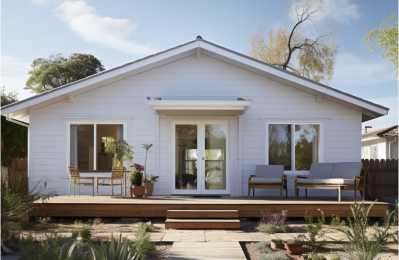
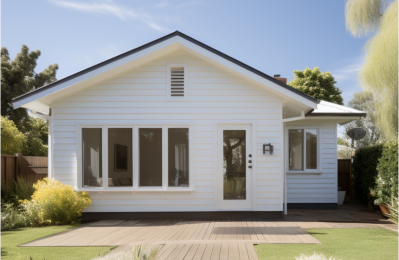
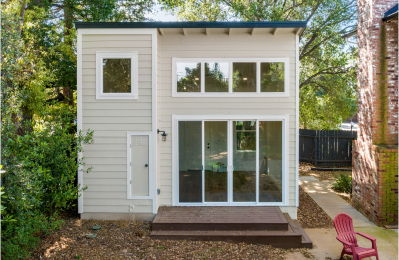
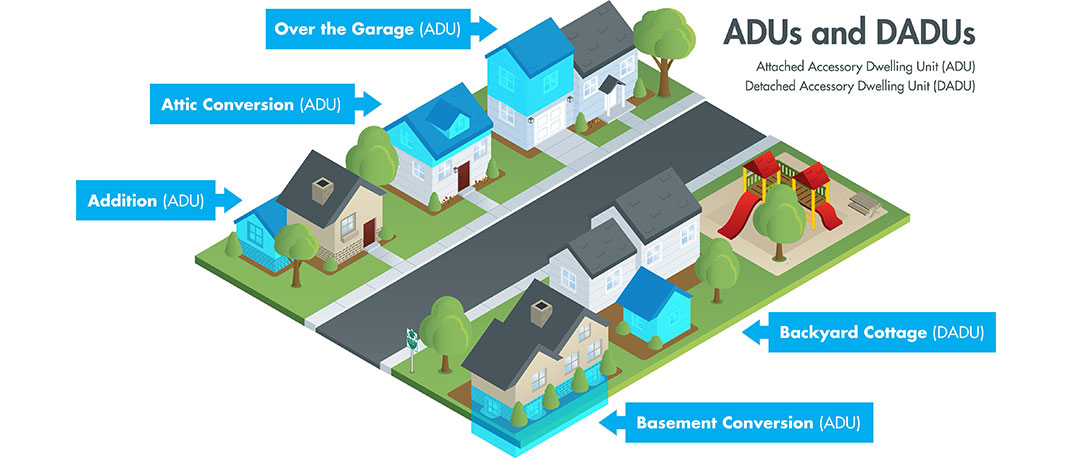
There are several ways to add an accessory dwelling unit to a property in Castro Valley CA, and the right ADU type depends on lot size, neighborhood character, budget, and how the finished space will be used. Detached ADUs are freestanding structures built in a backyard or side yard, offering the most privacy and flexibility for rental income. Garage conversions repurpose existing structures, often at a lower ADU cost and faster timeline since much of the shell already exists. Attached ADUs share a wall with the main house and can be a practical option on smaller lots. Some Castro Valley property owners also consider junior ADUs, smaller units created within the existing footprint of the home, as a lower-cost way to add a private space for family members.
Each approach carries its own considerations for foundation work, utility connections, setback requirements, and design. Detached ADUs generally require new utility runs and a full foundation, which adds cost but allows for a fully independent unit. Garage conversions can be more budget-friendly, though older garages sometimes need structural upgrades before they meet current building code. Among the most popular ADU types, detached units and garage conversions remain the top choices for property owners weighing rental potential against long-term value. A knowledgeable builder will help you weigh these trade-offs against your goals for the property.
Permitting is often the most misunderstood part of any ADU project in Castro Valley CA. Because Castro Valley is unincorporated, applications go through Alameda County rather than a city planning department, and the permitting process follows both California state ADU law and local zoning ordinances. State law has streamlined much of this process in recent years, requiring counties to approve compliant ADU applications within a set timeframe, but plans still need to meet setback requirements, height limits, and parking rules specific to the property.
Experienced ADU contractors manage this process daily and know how to prepare a complete application that avoids common rejection reasons. A typical permitting timeline includes site plan review, structural and title 24 energy compliance, and coordination with utility providers for water, sewer, and electrical connections.
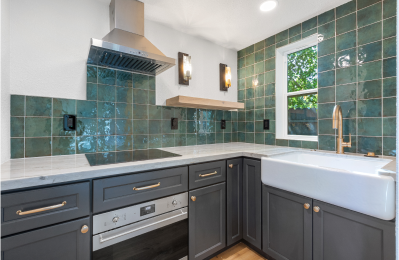
Once permits are in hand, ADU construction moves through familiar phases: site preparation, foundation, framing, mechanical and electrical rough-in, insulation, drywall, and finish work. Good planning before the first shovel hits the ground pays off throughout the build, especially on a lot with unique soil or grading conditions. A detailed schedule, a fixed scope of work, and a clear line of communication with your contractor all reduce the risk of surprises. Quality craftsmanship matters just as much in an ADU as it does in the primary home. Homeowners should expect the same attention to materials, finishes, and code compliance that they would demand from any home remodeling project. Reputable builders source quality materials from reliable suppliers and stand behind their work with clear warranties, which protects the long-term value of the investment.
Most detached ADUs in Castro Valley CA take four to eight months to build once permits are issued, depending on size, site access, and weather. Garage conversions can sometimes move faster since the existing structure reduces foundation and framing work. Delays most often come from permitting holdups, material availability, or scope changes requested mid-project, which is why clear planning upfront is so valuable.
For many property owners, rental income remains the primary motivation behind an ADU project. A well-built, well-located unit can command competitive rents given the ongoing housing demand across the Bay Area and within the broader Castro Valley CA market. Beyond monthly cash flow, an ADU adds measurable value, since appraisers increasingly recognize accessory dwelling units as valuable square footage rather than simple accessory structures.
Design choices affect both rental appeal and resale value. A separate entrance, dedicated parking, in-unit laundry, and a private outdoor space all make a unit more attractive to renters while also appealing to future buyers who want flexibility. Homeowners planning to lean on rental income should also budget for ongoing upkeep, whether they handle it themselves or work with a local agency familiar with the Castro Valley rental market.
ADU cost for a project in Castro Valley CA varies widely based on size, finish level, and site conditions. Detached ADUs on a property with easy utility access typically cost less per square foot than units requiring extensive grading or new utility trenching. Garage conversions often represent the most cost-effective path to added square footage, though older garages may need foundation or structural reinforcement. A detached ADU often costs more per square foot than a comparable home remodeling project, since it requires an entirely new structure, foundation, and utility connections.
Homeowners should build a contingency into any ADU budget, since unforeseen site conditions, material price changes, or design revisions can affect the final ADU cost. A transparent builder will provide a detailed line-item estimate before construction begins and communicate promptly if costs shift during the process.
While plenty of general contractors serve the wider Bay Area, homeowners benefit from choosing ADU builders with specific experience in Castro Valley CA and Alameda County. Many of these contractors got their start in home remodeling before expanding into dedicated ADU construction. Local familiarity means fewer surprises during plan check, faster relationships with county inspectors, and a better sense of realistic timelines. Some residents also compare quotes from contractors based in San Jose or other Bay Area communities, but proximity to the property often translates into better responsiveness during construction.
When comparing ADU contractors, request itemized proposals rather than lump-sum quotes so you can see exactly what is included for design, permitting, materials, and labor. A reputable contractor will welcome the questions and provide references from past clients happy to discuss their own experience with the builder’s craftsmanship, communication, and follow-through after the project wraps up, along with how the build helped bring their dream ADU to life in their Castro Valley home.