
Please note, package contents may be subject to change based on the specific agreement in the contract. While we aim to offer consistent and accurate packages, variations may be negotiated as per the terms and conditions.
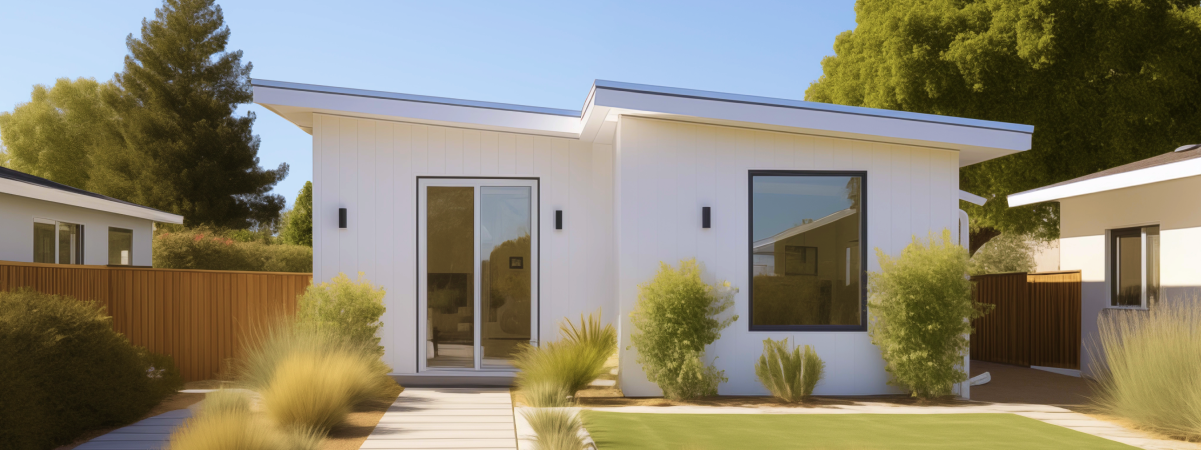
Novato homeowners considering an accessory dwelling unit have no shortage of reasons to build. An adu can add living space for family, generate rental income, or give a growing household more spaces without moving to a new property. Finding adu builders who know Novato CA, the surrounding Marin County market, and the city permitting process makes the difference between a stressful build and a straightforward one.
This guide covers what Novato adu builders handle on a typical adu project, including choosing between backyard cottages, an attached adu, or garage conversions, navigating permits and approvals, and carrying the work through to final inspection. Whether you want extra spaces for aging parents, a private rental unit, or a home office, the right adu contractor keeps your adu project on track from the first site plan to move-in day.
Not every contractor who advertises adu construction services has real experience with Novato neighborhoods, soil conditions, or the city building permit requirements. Many homeowners start their search by asking how long a company has operated locally and whether the team has completed adu projects of the size and unit type they need.
A Novato adu builder who works throughout Marin County regularly understands local requirements around setbacks, parking, and lot coverage that can otherwise stall a project. When comparing contractors, ask to see finished adu work in Novato CA, confirm licensing, and find out how they handle submittals with the city so your site plan moves through the permitting process without unnecessary delays.
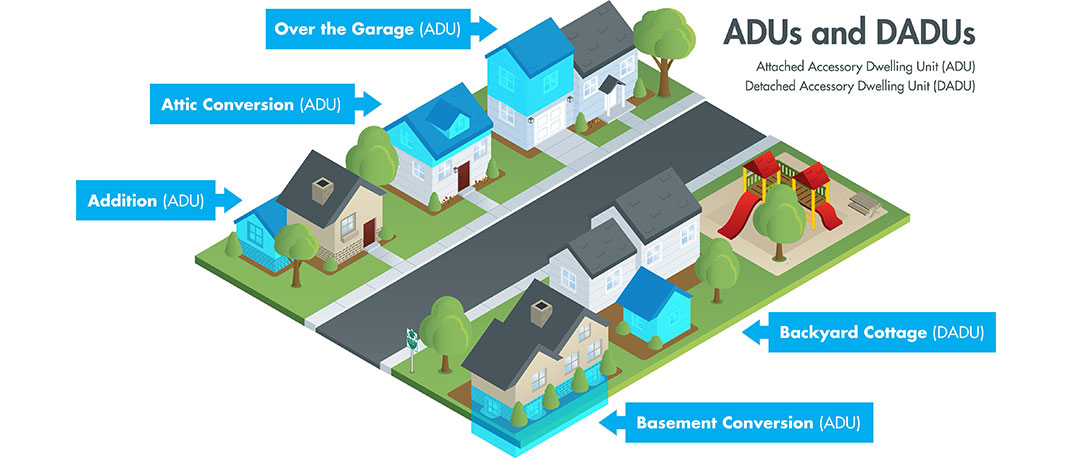
Novato properties support several kinds of accessory dwelling unit, from backyard adus to attached suites and garage conversions, and the best choice depends on lot size, budget, and how the finished space will be used. Below are the three most common adu types property owners choose for a Novato ADU project.
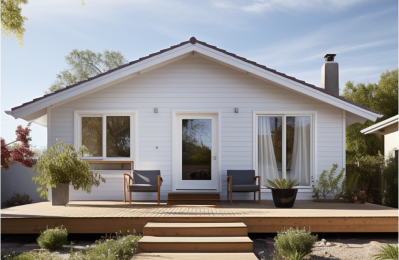
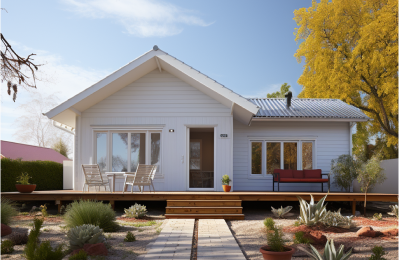
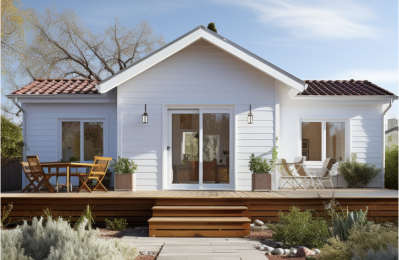
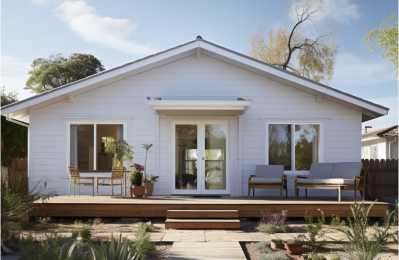
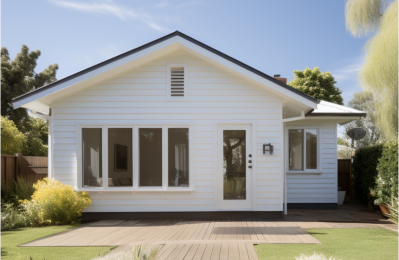
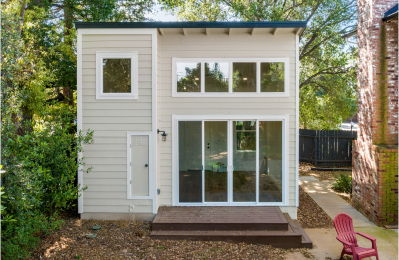
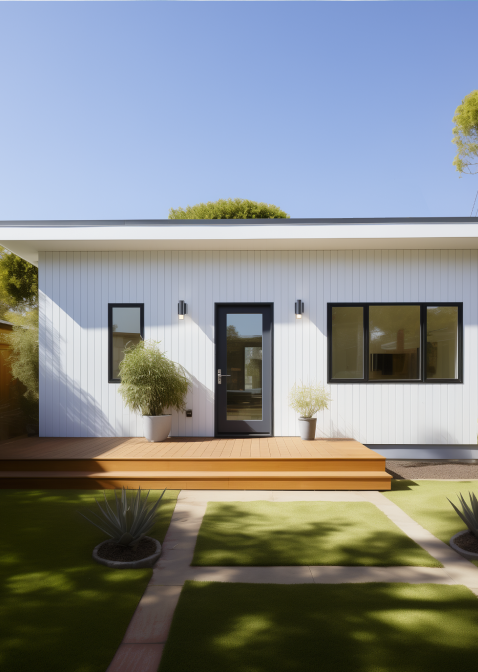
Detached adus stand apart from the primary home, usually in the backyard, and offer the most effective way of maintaining privacy of any accessory dwelling unit type. Built from the ground up, this adu involves a new foundation, full utility connections, and a complete construction process from framing onward. Many homeowners like this option because the finished adu feels like a true separate home, ideal for a rental unit or extended family.
An attached adu shares at least one wall with the primary home, which can simplify utility connections and often lowers cost compared to a fully detached adu. This option suits smaller lots in Novato CA where a separate building would not fit. Because an attached adu requires shared wall access for plumbing and electrical tie-ins, coordination with the primary home’s systems matters. An attached adu still needs its own entrance and complete living space with a kitchen and bathroom to qualify as an accessory dwelling unit.
Garage conversions turn existing space into functional living space without expanding the property footprint. This is often the most budget-friendly way to add an accessory dwelling unit, since the existing walls, roof, and slab are already in place. This conversion still requires permits, insulation upgrades, and new plumbing, though the project timeline is typically shorter than a ground-up build.
A well-organized adu building process keeps surprises to a minimum and keeps an adu project moving toward completion on schedule. Most Novato adu builders follow a similar sequence, from building permit submittal onward, though details vary by property, zoning district, and adu type.
Every adu project begins with a site plan showing the proposed adu placement, setbacks, and utility connections relative to the primary home. This step also means choosing an adu type, whether that is a detached unit, an attached option, or a conversion of existing space, based on the property size and household needs.
Once the design is set, the contractor will submit plans to the city for building permit review. Novato, like other California cities, has streamlined parts of the permitting process for accessory dwelling units, but property owners still need to secure approvals before building work begins. Submitting complete, accurate plans the first time helps avoid delays and keeps the permitting process on schedule.
With permits in hand, the build moves through foundation work, framing, mechanical systems, and finishes. City inspectors check the work at key milestones, culminating in the final inspection. Passing this inspection means the adu meets local requirements and is ready for occupancy, whether as a rental unit or added family space.
California has passed several laws aimed at making it easier for homeowners to build an accessory dwelling unit as part of a broader push to increase affordable housing across the state. These state rules limit how much cities like Novato can restrict adu construction, though local requirements still shape size, height, and parking specifics.
State law sets the baseline, but Marin County and the city of Novato apply their own local requirements around setbacks, lot coverage, and design review for certain projects. Property owners should confirm the current zoning district for their specific property before finalizing a site plan, since requirements can differ between properties in the same neighborhood and even within the same zoning district. Homeowners with an existing unpermitted unit may also want to ask whether Novato offers an adu amnesty program, which can allow legalization of existing space through minor modifications rather than a full rebuild to meet new building codes.
California law generally requires cities to act on complete permit applications within sixty days, which has made the permitting process faster than it once was. Experienced contractors know how to prepare a complete submittal package so city staff can review approvals efficiently, particularly once the city adopts updated checklists, rather than sending the application back for corrections.
Building an accessory dwelling unit involves coordinating architects, engineers, city staff, and skilled trades. Property owners who build an adu benefit from coordinated project management, and Novato ADU contractors who specialize in adu projects bring the experience needed to deliver high quality adus and keep a project on budget and on schedule from the first site visit through the finished build.
Many homeowners build an adu specifically for rental income. A well-designed rental unit in Novato can offset a mortgage or provide steady monthly income, given strong housing demand throughout Marin County. Adus offer a practical path to extra income for property owners willing to add an adu that appeals to tenants while meeting city requirements.
Not every adu project centers on rental income. Many homeowners build an accessory dwelling unit to house aging parents, adult children, or extended families near the primary home while keeping separate living space and privacy, all on the same lot. Adus offer this flexibility for multigenerational living, which is one of the most common reasons Novato residents pursue backyard adus.
Cost is one of the first questions homeowners ask when planning a Novato ADU project. The total cost of building an accessory dwelling unit in Novato CA depends on adu type, size, finish level, and site conditions. Garage conversions tend to cost less than backyard cottages, since they reuse an existing shell rather than requiring new foundation work. An attached adu often falls between the two in overall cost.
Beyond base project cost, property owners should budget for permits, design fees, utility upgrades, and site work to prepare the property. Contractors who provide adu construction services and build adus regularly in Novato can offer a realistic cost estimate early, since local labor rates and city fees factor into the final number.