
Please note, package contents may be subject to change based on the specific agreement in the contract. While we aim to offer consistent and accurate packages, variations may be negotiated as per the terms and conditions.
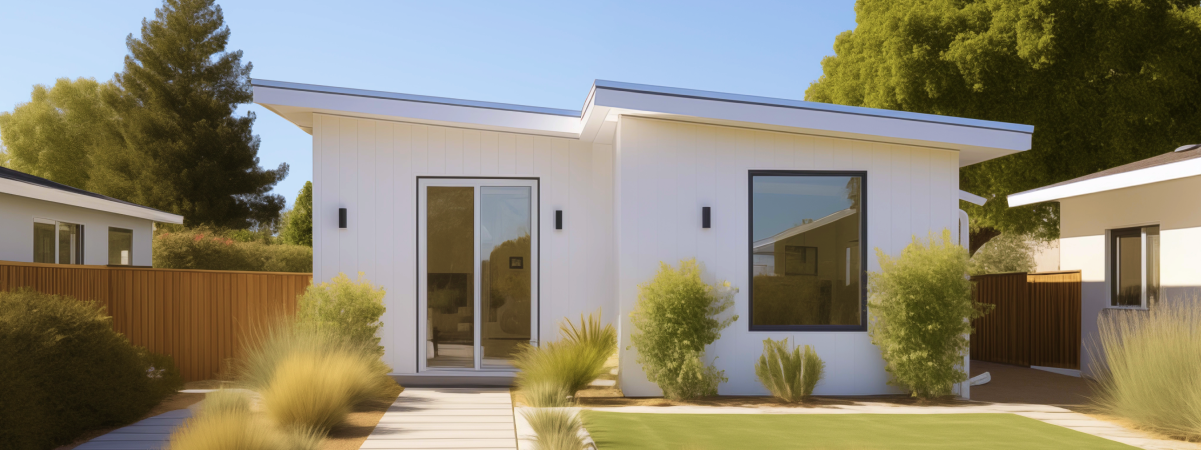
Finding the right ADU builders in Mill Valley can determine whether your accessory dwelling unit project becomes a smooth addition to your property or a frustrating, drawn-out ordeal. As demand for extra living space grows across Marin County and the greater Bay Area, more property owners are turning to accessory dwelling units to add income potential, house family members, or simply add value to their property. This guide walks through the entire process of building a Mill Valley ADU, from initial design through final approval, and explains how ADU specialists help homeowners navigate the specific regulations that come with steep, wooded, and tightly zoned Mill Valley lots.
Mill Valley homeowners build accessory dwelling units for a mix of financial and practical reasons. A well-designed ADU adds new space to a property without requiring an owner to sell a primary residence and move somewhere larger. Many property owners see an ADU as a way to add income potential, house aging family members or adult children, or create a home office separate from the main house. Because Marin County real estate is expensive and land is limited, adding granny flats or a secondary structure is often more practical than buying a second property in Northern California.
Beyond the financial upside, an ADU can meaningfully increase property value. Appraisers and real estate agents throughout Mill Valley increasingly recognize accessory dwelling units as a durable asset, not just a temporary structure. Whether the goal is long term rental income, a place for a caregiver, or simply more new space for a growing family, a thoughtfully built ADU is one of the few home improvement projects that pays for itself over time.
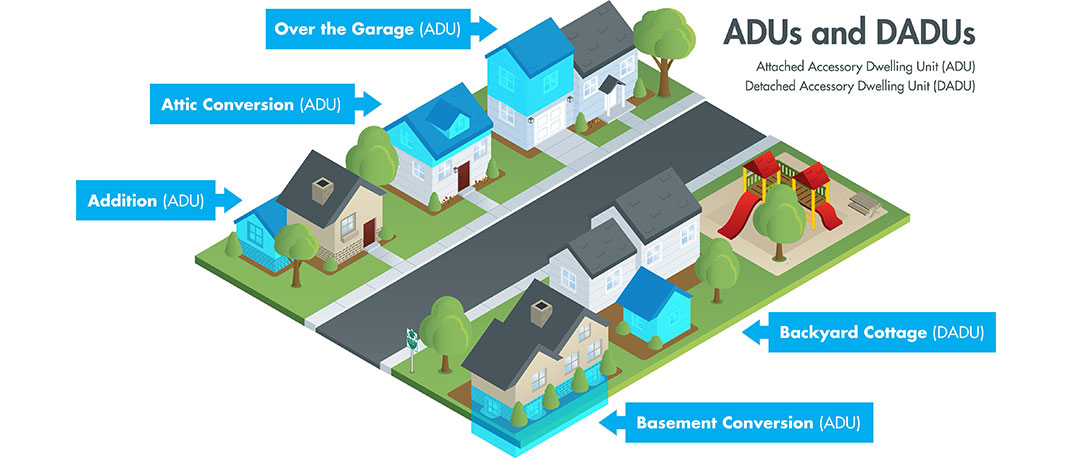
Not every Mill Valley property is suited to the same type of ADU. ADU specialists, sometimes called granny flat builders, typically walk property owners through three main options: detached ADUs, attached ADUs, and garage conversions. The right choice depends on lot size, access, an existing structure, and how much new building the owner wants to take on.
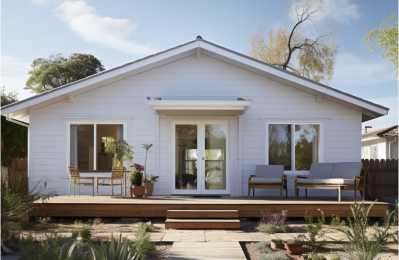
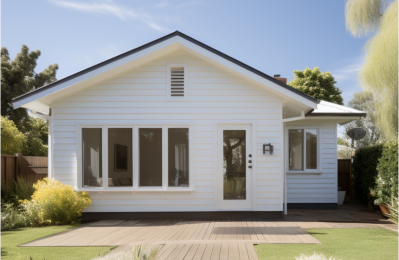
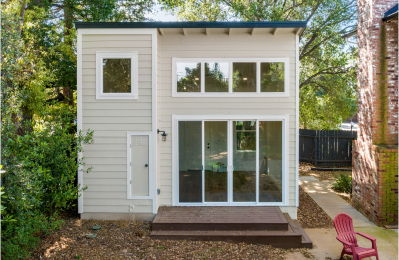
This freestanding option is a structure built separately from the main home, often placed toward the back or side of the lot. It gives owners the most privacy and flexibility, since the new living space is fully separated from the primary residence. On Mill Valley lots with hillside terrain, this configuration requires careful site planning to account for access, grading, and drainage, but it generally offers the cleanest layout for long term rental income.
This option shares a wall with the main house, which can lower the build price and simplify utility connections. It works well for property owners who want extra room close to the main home, such as a unit for aging relatives or a caregiver. This configuration also tends to move through approval a little faster since it builds on an existing foundation and utility access.
A garage conversion turns an existing garage into a functional living area, often at a lower price than new detached construction. Because the structure already exists, this approach can shorten both the design and permitting timeline. Many property owners in Mill Valley choose garage conversions when their lot has limited room for a new build but still want a private space with separate access from the main home.
A successful ADU project in Mill Valley depends on a clear, well-managed process from the first sketch to the final inspection, since building an ADU involves multiple coordinated steps. ADU builders who specialize in this type of construction guide property owners through design, permitting, and construction so nothing falls through the cracks.
Every ADU begins with a site visit to evaluate the property, access points, and any unique challenges posed by slope, trees, or setbacks. From there, the design team develops custom plans, or in some cases pre approved plans, that match the owner’s goals for extra room, budget, and timeline. Custom plans allow property owners to fully tailor the layout, finishes, and structure to their property, while pre approved plans move through review faster because the design has already been vetted.
Once plans are finalized, the project moves into municipal review. Mill Valley, like most Bay Area towns, has a defined approval process for reviewing ADU plans against zoning, setback, and building code requirements. Working with ADU builders who understand local regulations helps property owners avoid delays, since many issues that stall a Mill Valley ADU project stem from incomplete plans or overlooked code requirements rather than the ADU concept itself.
After permits are issued, construction begins. Depending on whether the build involves a detached ADU, an attached addition, or a garage conversion, timelines can range from a few months to close to a year. Throughout construction, ADU builders keep homeowners updated on progress, manage subcontractors, and coordinate inspections so everything stays on schedule.
One of the first decisions Mill Valley homeowners face is whether to use pre approved plans or invest in a fully custom design. These plans have already been reviewed and accepted by the town, which can significantly shorten the timeline and reduce uncertainty around price. For homeowners who want a straightforward path to extra room without extensive design work, pre approved plans are often the faster route.
Custom plans, on the other hand, give property owners full control over layout, square footage, finishes, and how the new build relates to the property, the main house, and the surrounding land. They make sense for properties with unusual lot shapes, steep grades, or specific regulations that a standard pre approved plan can’t accommodate. Many Mill Valley homeowners land on a hybrid approach, starting from a pre approved base plan and customizing select elements to fit their property.
Understanding local regulations is essential before starting any build. California state law sets a baseline for accessory dwelling units, but Mill Valley applies its own zoning, height, and setback rules on top of that baseline. Property owners should confirm lot size, parking requirements, and the maximum ADU size before finalizing plans, since these details affect whether a detached ADU, an attached addition, or a garage conversion is feasible on a given property. Homeowners should also check the height limits detached ADUs must meet near hillside property lines.
Fire access is another important consideration in Mill Valley, given the surrounding wildland areas. A property near dense vegetation may require fire sprinklers or specific clearances depending on lot location and structure size. ADU builders familiar with Mill Valley’s rules can flag these requirements early, before they become a costly surprise during city review.
Building prices for an ADU in Mill Valley vary widely depending on size, structure type, site conditions, finish level, and the property’s overall layout. A garage conversion is typically the most affordable path to new square footage, since it reuses what’s already built. A freestanding unit generally costs more due to new foundation work, utility extensions, and site access challenges common on hillside lots. An attached option often falls in between, benefiting from shared walls and existing utility connections while still requiring new construction.
Beyond the base construction cost, property owners should budget for design fees, permitting fees, and any site-specific work related to grading, drainage, or fire access. ADU specialists who offer transparent pricing make it easier to compare bids, since many homeowners find that steady income potential and property value increase help offset the upfront investment over time.
Mill Valley presents unique challenges that set it apart from flatter Bay Area communities. Steep, wooded lots require careful grading and drainage planning, and limited access roads can complicate material delivery and equipment staging during construction. Many property owners are surprised by how much site conditions influence the design and building of their ADU, from the base type to where the unit can realistically sit on the property.
Working with ADU builders Mill Valley homeowners trust means direct experience with local terrain, permitting, and the building department, which helps avoid costly missteps. Local knowledge of the review process, combined with a track record of completed accessory dwelling units in the area, is often the deciding factor when property owners choose ADU builders.
Property owners across the Bay Area increasingly look for specialists who focus specifically on accessory dwelling units rather than general contractors who occasionally take on ADU work. An ADU specialist brings deeper knowledge of pre approved plan programs, local permitting quirks, and the design tradeoffs between a freestanding unit, an attached addition, and a garage conversion. That focus tends to translate into fewer surprises during construction and a smoother path through city review.
For most Mill Valley homeowners, choosing among ADU builders Mill Valley residents recommend starts with a simple conversation about goals, budget, and transparent pricing. From there, ADU specialists can recommend whether a freestanding unit, an attached addition, or a garage conversion best fits the property, the main house, and long term plans for the space. Many owners also weigh walking distance to public transit and downtown Mill Valley when deciding where to build ADUs on their lot.