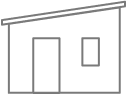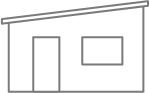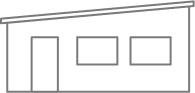

Please note, package contents may be subject to change based on the specific agreement in the contract. While we aim to offer consistent and accurate packages, variations may be negotiated as per the terms and conditions.
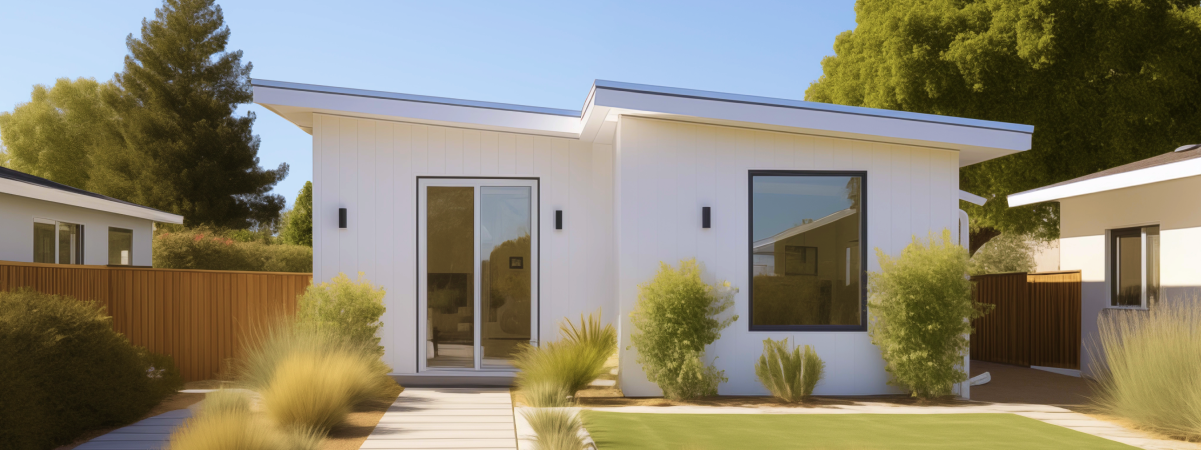
Hayward homeowners are increasingly turning to accessory dwelling unit construction as a way to add living space, generate rental income, and house family members without leaving the neighborhoods they love. Whether you are exploring a garage conversion, a detached backyard cottage, or a fully attached addition, working with experienced ADU builders in Hayward can turn an empty corner of your property into a functional, code-compliant home. This guide walks through what it takes to build an ADU, typical ADU cost ranges in California, and what to expect when you hire local professionals for your build.
An accessory dwelling unit, often shortened to ADU, is a secondary housing unit built on the same lot as an existing home. Hayward’s housing market has grown tighter every year, and the decision to build an ADU has become one of the most practical ways for homeowners to respond. A well-designed ADU can serve as a rental unit for steady rental income, a private space for aging parents or adult children, or simply extra living space for a growing family.
Beyond personal use, ADUs also contribute to affordable housing in the broader Hayward property market. State rules have streamlined permitting specifically to encourage detached units and attached ADUs, which means more homeowners now face fewer bureaucratic hurdles than in years past. For many families, the decision to build an ADU is also a smart long-term investment that increases the resale value of the primary residence.
Not every general contractor understands the nuances of ADU construction, which is why it pays to work with an expert team that specializes in this type of residential build. Experienced Hayward ADU contractors understand local zoning regulations, setback requirements, utility connections, and the specific permitting process used by the city and Alameda County.
When evaluating ADU contractors, ask about their portfolio of completed projects, their relationships with local subcontractors, and how they handle design changes along the way. A reputable expert team will walk you through custom home plans, timelines, and construction costs before a single shovel hits the ground, keeping the entire experience stress free and focused on quality from consultation to final inspection. Because local requirements can shift from one jurisdiction to the next, local professionals who track local regulations closely can help you avoid costly surprises.
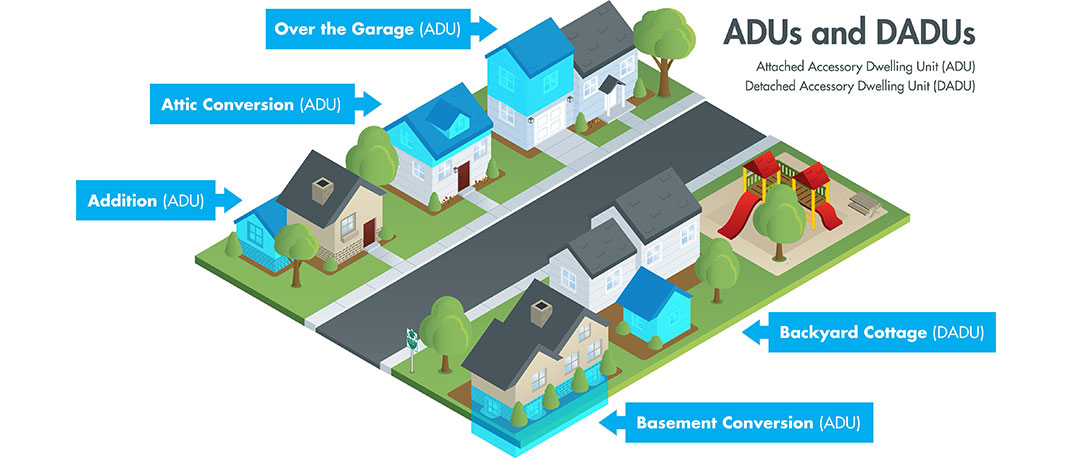
Hayward homeowners have several ADU types available when planning an accessory dwelling unit, and the right choice depends on lot size, budget, and how the finished space will be used.
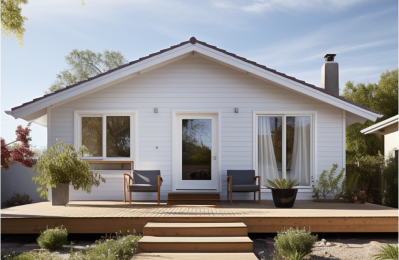
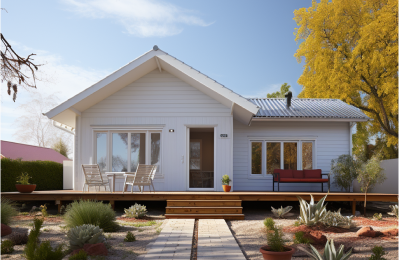
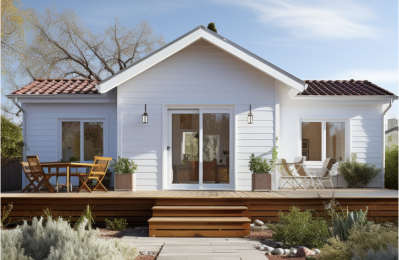
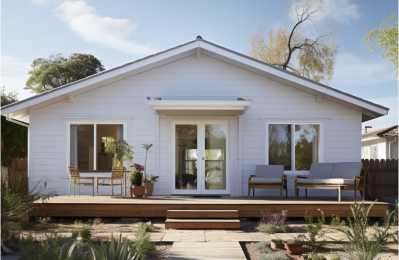
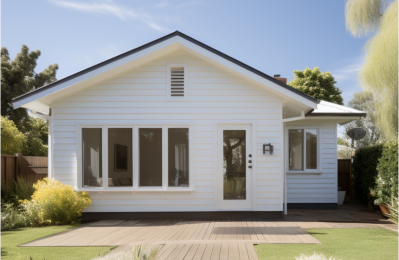
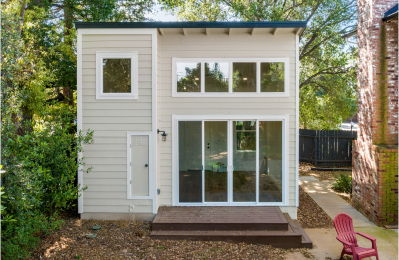
Detached ADUs are standalone structures built in the backyard, completely separate from the primary home. Often called a backyard cottage, these detached units offer the most privacy for tenants or family members and are popular among Hayward homeowners who want a true rental unit with its own entrance, kitchen, and bedroom. Detached ADUs typically require more site work than other ADU types but offer the greatest design flexibility, which is why custom ADUs are such a common request in this category.
Attached ADUs share at least one wall with the main house, which can reduce construction costs since some existing utility lines and structural elements are already in place. This option works well for families who want a connected but private living space for a family member, such as a one-bedroom or two-bedroom suite with a separate entrance, and it is often a cost effective option compared to a fully detached build.
Garage conversions remain one of the most affordable paths for ADU construction because the existing garage, foundation, and roofline are already built. Converting an underused existing garage into a one-bedroom or studio living space can be completed faster than new construction, though some jurisdictions require replacement parking to be added elsewhere on the lot. Junior ADUs, which are smaller units built within the existing footprint of the home, are another affordable way for Hayward residents looking to add a rental unit without a large-scale build.
Understanding the ADU construction process helps homeowners set realistic expectations for timeline and budget. While every build is unique, most Hayward ADU construction follows a similar sequence.
The process begins with a consultation to discuss goals, budget, and lot constraints. An expert team then develops custom home plans tailored to the property, turning your dream ADU into a functional reality, factoring in bedroom count, sq ft, and how the finished unit will connect to existing utilities.
Once plans are finalized, your ADU contractors submit them to the City of Hayward and the local planning department for review. California’s ADU-friendly legislation has shortened approval timelines significantly, but working with contractors who know local requirements still helps avoid delays.
Site preparation, foundation work, framing, plumbing, electrical, and finishing all follow in sequence. Quality Hayward ADU construction at this stage depends on skilled trades and consistent project management, which is why choosing an established expert team matters so much.
After final inspections are passed, the unit is ready for a tenant, family member, or homeowner to move in. A well-managed project keeps this entire process stress free, with clear communication at every stage.
Hayward ADU cost varies widely depending on sq ft, finishes, and whether the project is a garage conversion, attached addition, or detached backyard unit. Garage conversions tend to be the most budget-friendly option, while detached ADUs with full kitchens and multiple bedrooms carry higher construction costs due to new foundation work and utility extensions.
Several factors influence overall cost in Hayward and across the region more broadly, including material choices, site accessibility, permitting fees, and the complexity of utility connections. Homeowners should also budget for design fees, inspections, and any upgrades needed to bring existing utility service up to code for the added sq ft.
Most homeowners pay for their ADU through a combination of savings and financing. Home equity loans are a common choice because they let owners borrow against the value already built into the primary residence, while a cash out refinance can free up funds by resetting the mortgage at a higher balance. Comparing rates and terms with a lender familiar with ADU construction is the best way to find the most cost effective option for your situation.
One of the strongest financial arguments for accessory dwelling unit construction is rental income potential. A one or two-bedroom ADU in Hayward can generate meaningful monthly revenue, helping homeowners offset mortgage payments or fund other home improvements. Because Hayward sits within the greater Bay Area, demand for rental housing remains strong, making a backyard unit a practical addition to almost any property, and it is one of the main reasons more homeowners are choosing to build an ADU.
For many families, though, the primary motivation is not income but connection. Housing aging parents, adult children, or other family members in a detached unit on the same lot offers independence alongside proximity. This arrangement supports multigenerational living while giving everyone their own private living space.
Local contractors typically serve Hayward and surrounding communities throughout the East Bay, including neighborhoods near downtown Hayward, the Hayward hills, and areas bordering San Lorenzo, Castro Valley, and Union City. Because local requirements can vary slightly between jurisdictions, it helps to work with an expert team that has hands-on experience specifically with Hayward property codes and inspection standards.
Hayward’s mix of established neighborhoods and larger residential lots makes it particularly well suited to detached ADUs, while denser blocks closer to downtown often favor attached ADUs or garage conversions due to space constraints.