
Please note, package contents may be subject to change based on the specific agreement in the contract. While we aim to offer consistent and accurate packages, variations may be negotiated as per the terms and conditions.
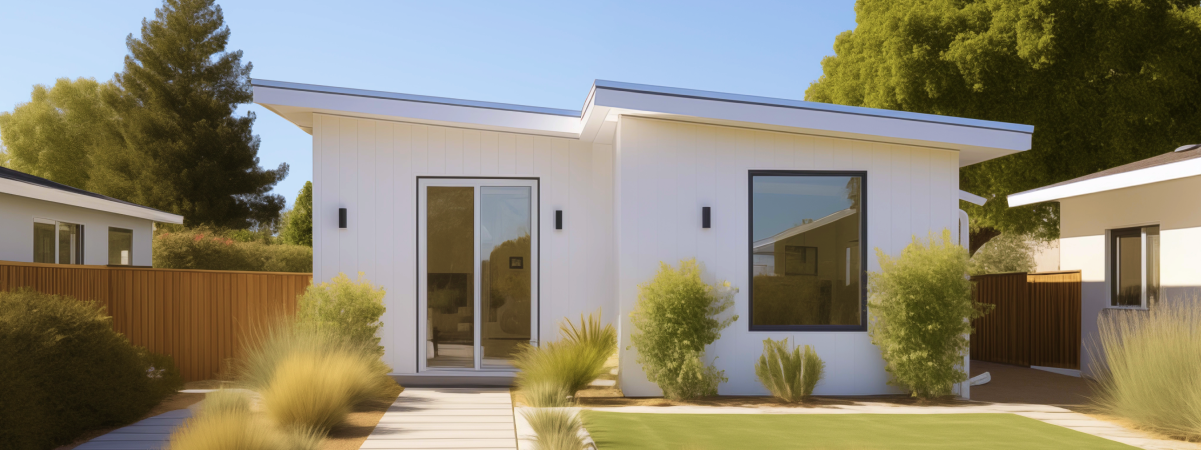
Vallejo homeowners are increasingly turning to accessory dwelling unit construction as a way to add living space, generate rental income, and increase property value without moving to a new house. If you want to build an ADU in Vallejo, whether it’s a garage conversion, a detached guest house, or an attached addition to your existing home, choosing the right ADU builder is the single most important decision in the entire process. This guide walks through everything local homeowners need to know about vallejo adu construction, from finding qualified ADU contractors to understanding local regulations in Solano County.
An accessory dwelling unit, often called a granny flat, in-law unit, or guest house, is a smaller residential structure built on the same lot as a primary home. In Vallejo CA and across the wider Bay Area, ADUs have become one of the most practical ways to add affordable housing without the expense of purchasing new property. As California continues to streamline permit rules for ADU construction, more homeowners are exploring garage conversions, detached builds, custom ADUs, and attached additions as viable ways to build an ADU.
The demand for an ADU in Vallejo has grown steadily as housing prices across the Bay Area continue to rise. Adding a second home on an existing property gives families more flexibility than buying a new house, and it typically runs less than relocating. Many homeowners build an ADU to house aging parents, adult children, or extended family members while keeping everyone close but independent, and a growing number are exploring granny flats as a way to keep loved ones nearby.
Beyond housing family, an ADU can serve as a long term investment. A well designed guest house adds usable space to a property and can be rented out for steady rental income, including short term rentals during peak Bay Area travel seasons. Because Vallejo sits within commuting distance of major Bay Area job centers, and is close enough to Contra Costa County for many commuters, rental demand for smaller, well built spaces remains strong, making an ADU one of the more reliable ways to boost property value over time.
Solano County has seen a steady rise in ADU permit applications as the county works to expand its supply of affordable housing. Vallejo, as the county’s largest city, accounts for a significant share of that activity. Local contractors report growing interest in both new construction and renovations that convert existing garage space into functional living units.
Choosing among the many ADU contractors serving Vallejo CA can feel overwhelming, especially for homeowners tackling their first construction project. The right contractor should have direct experience with local permit offices, a clear construction process, and a portfolio of completed projects similar to what you have in mind. Not every general contractor understands the specific rules that apply to accessory dwelling unit construction, so it pays to ask pointed questions and request a free consultation before signing a contract to build.
A strong Bay Area ADU builder should offer transparency at every stage of the process, from initial design through final completion. Look for a company that offers a free consultation, provides detailed written plans and estimates, a realistic construction timeline, and references from past clients in Vallejo or nearby Solano and Contra Costa County communities. Ask whether the contractor handles permit submission directly or expects the homeowner to coordinate with the city, since this can significantly affect how smoothly your ADU project moves forward.
Verify that any ADU company you consider is properly licensed to work in California and carries adequate insurance. Experienced local professionals will be familiar with Vallejo’s zoning rules, setback requirements, and utility connection standards. A contractor who has completed multiple builds in the area will also know which design choices tend to pass plan review quickly, which can save weeks in the permit process. Homeowners who have worked with skilled local professionals often say their responsiveness was greatly appreciated throughout a process that can otherwise feel overwhelming.
Vallejo homeowners generally choose from three main categories of accessory dwelling unit: attached ADUs, detached ADUs, and garage conversions. Each option comes with different price points, design considerations, and construction timelines, so understanding the differences helps homeowners set realistic expectations before they build an ADU in Vallejo.
An attached ADU shares a wall with the primary home, which often reduces the overall price by taking advantage of existing foundations and utility lines. Attached ADUs work well on smaller lots where there is not enough room for a fully separate structure. Because the attached space connects directly to the main house, contractors must carefully plan separate entrances and utility metering to keep the new space functioning as an independent living area.
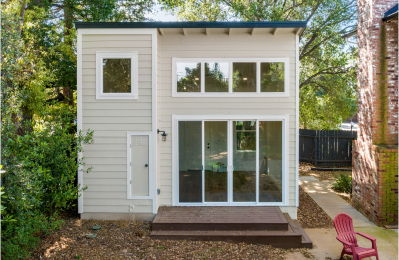
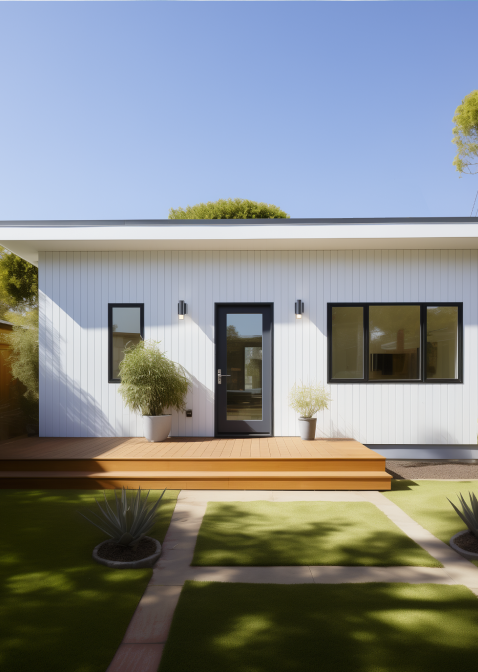
A detached ADU, sometimes built as a stand-alone guest house, offers more privacy for both the homeowner and the tenant or family member living there. Detached ADU construction typically requires new foundation work, plumbing, and electrical service, which can raise the price compared to an attached ADU, but it also allows for a more flexible, custom design and complete separation from the main house.
Garage conversions remain one of the most popular and affordable ways to add a guest house in Vallejo. Because the garage structure already exists, converting it into living space often reduces both expense and construction time compared to building from the ground up. Garage conversions do require upgrades to insulation, plumbing, and electrical systems to meet residential building code, and homeowners should confirm with their contractor that the converted garage will still satisfy any required off street parking rules.
Every build begins with a design phase, followed by permit submission and plan review. Working with a contractor who understands local building codes and offers responsive service, along with an initial free consultation, can make this stage far less stressful for Vallejo homeowners preparing to build an ADU.
Good ADU design balances the homeowner’s goals with the practical limits of the lot, including setbacks, height limits, and existing utility locations. Many homeowners also bring in architects for custom ADUs with more complex layouts, while simpler guest house plans may not require a full architectural team. Detailed plans at this stage help avoid costly changes once construction begins. A thoughtful design process also considers how the new space will be used, whether for rental income, family housing, or a home office, since that purpose shapes decisions about layout, plumbing, and storage. Many Vallejo ADU builders offer in-house design services with architects on staff, which can streamline communication and keep the project stress free.
California state law has simplified many aspects of the ADU permit process, but local jurisdictions like the City of Vallejo and Solano County still review each application for compliance with zoning, fire, and building codes. Homeowners will need to submit site plans, floor plans, and structural details before a permit is issued. An experienced contractor will prepare these plans correctly the first time, reducing back and forth with the permit office and keeping the project on schedule toward completion.
ADU cost varies widely depending on the type of space, size, finishes, and site conditions. Garage conversions tend to sit at the lower end of the price range, while detached ADU construction with new utility connections typically runs higher. Getting a detailed estimate from a local ADU builder, often starting with a free consultation, is the best way to understand what a specific project will run on a specific property. Local builders also vary in the scope of service they provide, so confirm exactly what’s included in your quote and which materials are covered.
Several factors affect the final price of the project, including square footage, foundation type, utility hookups, the materials selected, and the quality of finishes chosen. Custom ADUs with premium materials or unique architectural features generally run higher than standard designs. Sites with difficult access, sloped lots, or older utility infrastructure can also add expense. Homeowners in Vallejo CA should budget for permit fees, design fees, and a contingency for unexpected conditions discovered once construction begins. Working with licensed local professionals throughout the ADU project helps avoid costly surprises and keeps the build stress free.
Many homeowners finance their build through a home equity loan, cash out refinance, or construction loan designed specifically for accessory dwelling unit projects. Because a completed unit can generate meaningful rental income, some lenders will factor projected rent into the loan approval process. Over time, the added property value and ongoing rental income can offset a significant portion of the original expense of building an ADU in Vallejo.
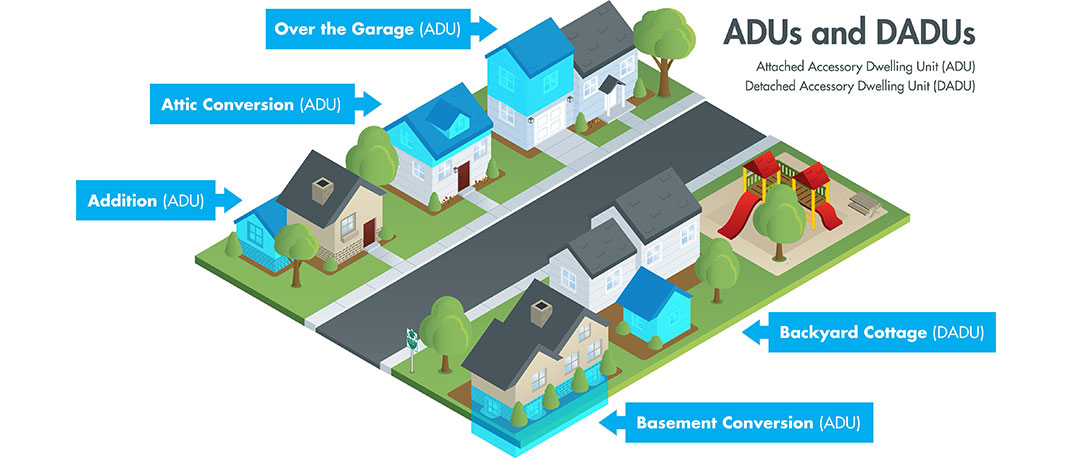
Understanding the full construction process helps Vallejo homeowners know what to expect at each stage, from the first design meeting to the final walkthrough, whether they build a garage conversion or a detached unit.
The typical process begins with a site visit, an initial free consultation, and a design meeting, followed by preparation of construction plans for permit submission. Once the city or county issues a permit, the contractor schedules demolition or site preparation, foundation work, framing, and rough utility installation, ordering materials as each phase approaches. Inspections occur at multiple points throughout construction, including foundation, framing, and a final inspection before the space can be occupied. A reliable contractor keeps homeowners informed throughout this process and coordinates subcontractors so the build stays on schedule and finishes without unnecessary delays, making the whole experience feel far more stress free.
After construction wraps up, many contractors also offer support with landscaping, driveway adjustments, or minor renovations to the main house to help the property feel cohesive. Choosing a company that manages the entire process, from design through completion, gives homeowners a single point of contact and a smoother overall experience, which is always greatly appreciated by first time owners.