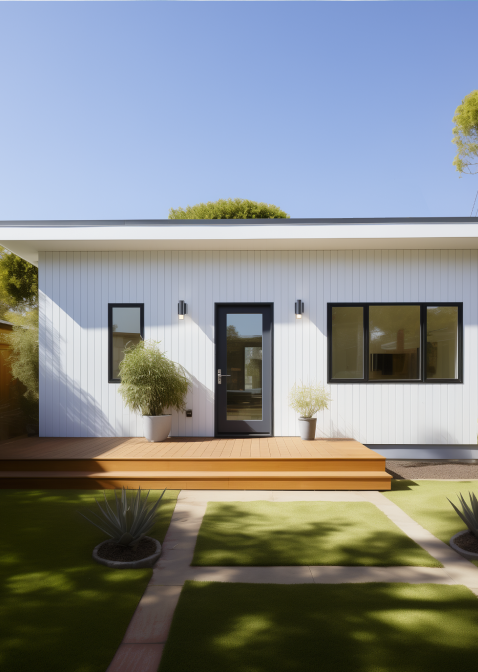

Please note, package contents may be subject to change based on the specific agreement in the contract. While we aim to offer consistent and accurate packages, variations may be negotiated as per the terms and conditions.
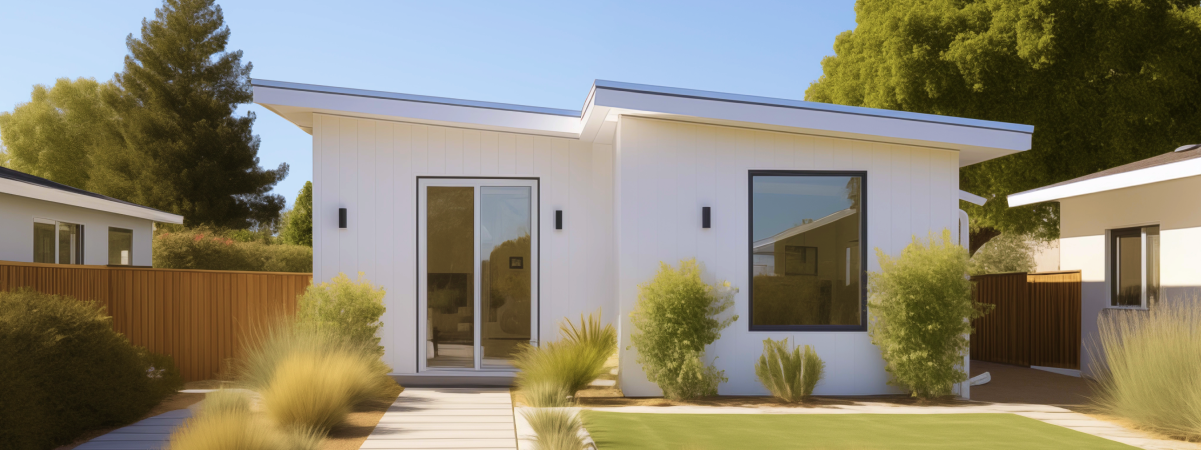
San Leandro homeowners are increasingly turning to accessory dwelling units as a way to add living space, house extended family, and create a new source of income without leaving their neighborhood. Whether you are exploring a backyard cottage, a garage conversion, or a fully detached ADU, working with an experienced San Leandro CA builder can make the difference between a smooth project and a stressful one. This guide walks through everything homeowners need to know about ADU construction in San Leandro California, from cost and permitting to design, zoning, and the long-term value an ADU can add to your property. If you are just getting started, many local builders known for high quality ADUs offer a free consultation to help you evaluate what is possible on your property.
San Leandro sits in a part of the Bay Area where housing costs remain high and available land is limited, which has pushed many homeowners to reconsider their properties. An ADU allows a family to add square footage, create a private space for aging family members or adult children, or generate extra monthly income, all without buying a new home. Because California has streamlined ADU laws over the past several years, San Leandro California families now have more flexibility than ever to build on properties that were previously restricted by strict local regulations.
Across the Bay Area, cities have seen a steady increase in ADU permit applications as homeowners look for practical ways to expand their homes. San Leandro CA is no exception. The city has processed a growing number of accessory dwelling units each year, reflecting both housing pressure and a genuine desire among property owners to create flexible living space on their property. For many families, an ADU offers a way to keep loved ones close while maintaining privacy and independence.
Beyond added income, an ADU can serve as a home office, a studio, or a place for multi-generational living. Homeowners in San Leandro CA often find that a well-designed ADU raises home value while giving them options they did not have before. A detached unit in particular offers separation and privacy that an attached addition cannot match, which is one reason detached ADUs remain the most requested approach among San Leandro property owners.
Not every property or budget calls for the same type of ADU. A qualified San Leandro CA builder will walk you through the options available for your specific lot, budget, and goals before recommending a direction, and most offer a free consultation to start that conversation.
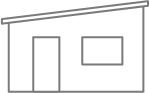
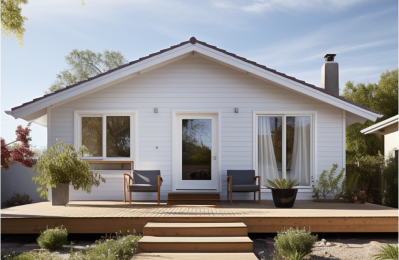
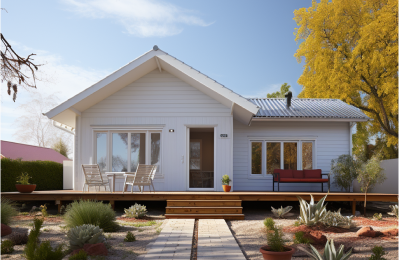
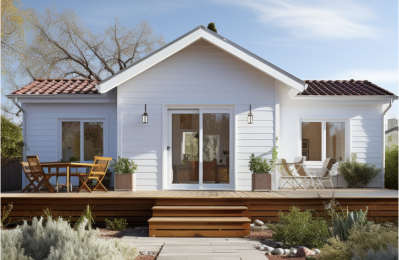
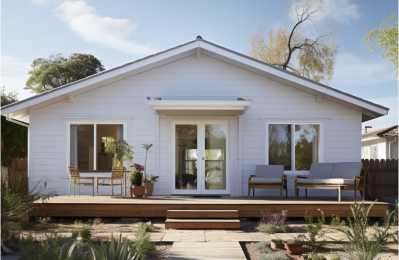
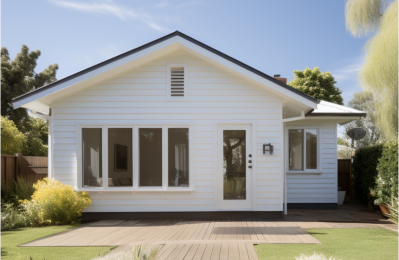
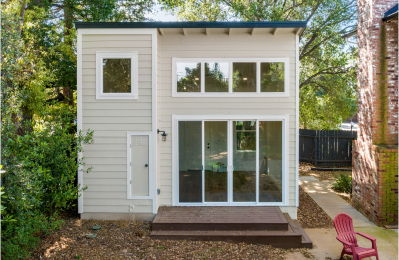
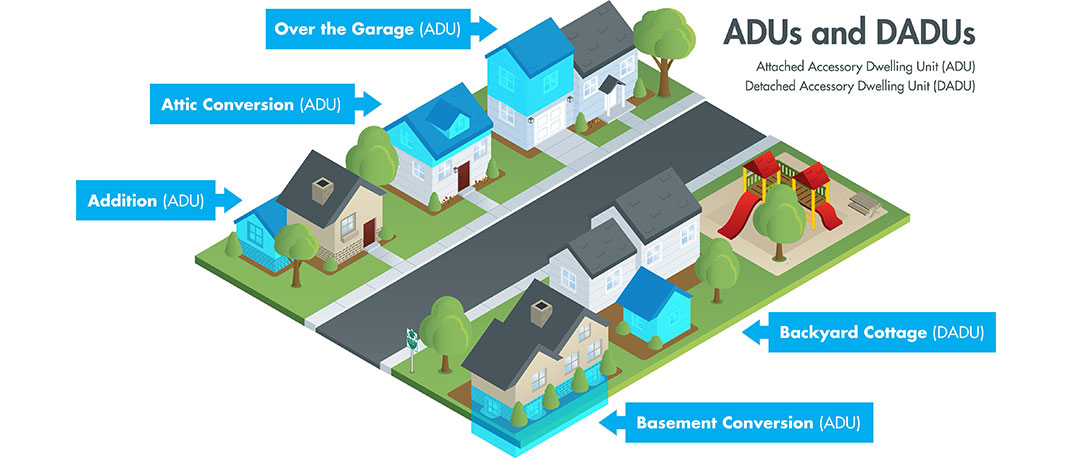
Detached ADUs are freestanding structures built separately from the main home, typically in the backyard. They offer the most privacy and flexibility, which makes them popular as a rental unit or for accommodating family members. Attached ADUs share a wall with the primary home, while garage conversions repurpose existing structures to save on foundation and framing costs. Each approach has trade offs in cost, construction time, and how much usable room it adds to the property.
California law sets maximum size limits for accessory dwelling units, but the actual size that works for your property depends on lot size, setbacks, and how the unit will be used. A studio or one-bedroom detached unit is common for leasing purposes, while a two-bedroom layout may suit a family member or a long-term tenant. A good builder will assess your lot and property needs before recommending a size that balances cost, function, and code compliance.
One of the first questions homeowners ask is what an ADU will actually cost to build, and how much value it can add in return. San Leandro CA ADU cost varies significantly depending on size, finishes, foundation type, and site conditions, so an early estimate is essential before committing to a design.
ADU cost is shaped by several factors, including the size of the unit, the complexity of the design, utility connections, and site work such as grading or retaining walls. Detached units generally cost more per square foot than garage conversions because they require new foundations, framing, roofing, and full utility hookups, including water and sewer lines that crews must install. Permitting fees, engineering reports, and impact fees charged by the city also factor into the total ADU cost, and these can vary from project to project.
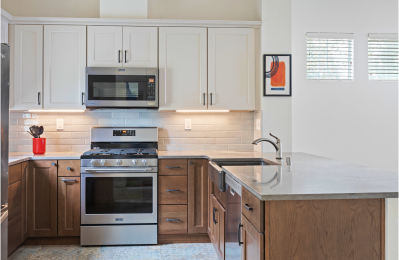
A detailed estimate should account for design, engineering, permitting, materials, labor, and utilities, along with a reasonable contingency for unexpected site conditions. Families who start with only a rough budget often find that costs increase once soil and structural reports reveal site-specific requirements. Asking a builder about financing options and requesting a line-item estimate before signing a contract helps avoid surprises later in the project.
Permitting is often the part of ADU construction that homeowners understand the least, yet it has a direct impact on the schedule and overall cost. Understanding how the city reviews ADU applications can help set realistic expectations from the start.
The city of San Leandro CA reviews ADU applications for compliance with building codes, fire safety, and connections to water, sewer, and other utilities. Experienced builders who regularly submit projects in San Leandro understand what the permitting department expects and can prepare plans that move through review with fewer revisions. Because permitting timelines can vary based on workload and project complexity, working with a builder familiar with local regulations often shortens the overall process.
Local rules determine where an ADU can be placed on a property, including required setbacks from property lines, height limits, and parking requirements. Some rules prohibit certain ADU types on smaller properties, which is why a feasibility study early in the process is so important. A feasibility study identifies whether your lot can accommodate a detached unit and what setbacks or easements might limit the design. Skipping this step can lead to costly redesigns later, so most reputable San Leandro CA builders include a feasibility review as one of the first steps in any new project.
Once feasibility and permitting are underway, attention turns to design, engineering, and the actual construction schedule. Each stage affects how long the overall project will take.
Design decisions influence everything from cost to how the finished ADU will feel to live in. Engineering ensures the structure meets seismic, structural, and utility requirements specific to California and to the soil conditions on your property. Coordinating those decisions with the structural planning early in the process helps avoid conflicts between architectural plans and utility requirements discovered later.
Construction timelines for detached ADUs in San Leandro CA typically run several months from groundbreaking to final inspection, though timelines can extend depending on permitting delays, weather, or site conditions. Homeowners should ask their builder for a realistic timeline that accounts for each phase, from foundation work through framing, utilities, and finishes. A builder who communicates clearly about timelines throughout the project helps families plan around construction with fewer disruptions to daily life.
For many homeowners, the financial case for building an ADU is just as important as the added room it provides. A well-built rental unit can pay for itself over time through monthly income while also boosting the resale value of the property.
Detached units are especially well suited to generating steady income because they offer separation and privacy for tenants. Given the demand for housing across the Bay Area, a well-located and well-designed ADU in San Leandro CA can command competitive monthly income while providing owners with a steady stream of cash flow. Some families also use the arrangement in reverse, leasing out the main home and living in the smaller unit themselves. Others choose to list the unit on Airbnb for short-term guests, though local rules should always be confirmed first.
Beyond monthly income, an ADU tends to increase home value, since it adds usable square footage and functional living area that appeals to future buyers. In a competitive Bay Area housing market, a permitted, well-constructed ADU can set a property apart and offer long-term financial benefits that extend well beyond the initial construction cost.
Selecting the right builder is one of the most important decisions in the entire process, since the quality of construction directly affects cost, schedule, and how the finished unit performs over time.
Look for a builder with a proven record of high quality ADUs in San Leandro CA specifically, since local experience means familiarity with the city permitting process, common soil conditions, and neighborhood zoning patterns. Ask to see completed projects, request references from past clients, confirm that the company carries proper licensing and insurance, and ask whether they offer a free consultation before you sign any contract.
Before hiring a builder, ask how they approach the technical planning process, who manages permitting with the city, what construction method they plan to use, and how they structure their cost estimate. Ask about financing options, typical construction timelines for a project similar to yours, how change orders are handled, and what warranty applies once the ADU is complete. A transparent builder will walk through each phase of the project, from feasibility through final inspection, so you know what to expect and can plan around your needs.