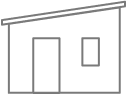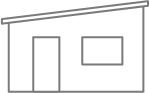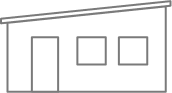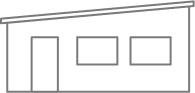

Please note, package contents may be subject to change based on the specific agreement in the contract. While we aim to offer consistent and accurate packages, variations may be negotiated as per the terms and conditions.
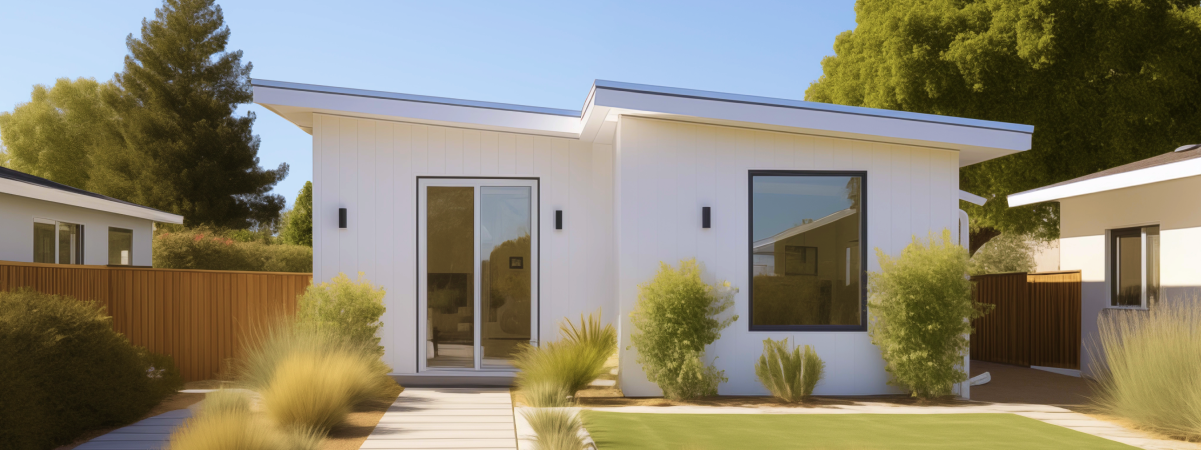
Homeowners throughout Napa are adding accessory dwelling units to their homes as a way to gain extra space, generate rental income, and increase value without moving. Napa Valley’s housing affordability crisis has pushed many residents to look at building adus on their own lot instead of buying a second home. Whether the goal is a detached cottage, a garage conversion, or a small addition near the main residence, finding one of the best adu contractors for the job is the first real step. This guide covers what Napa County residents need to know about building an adu, including zoning, permitting, a loan program for financing, and how to consult with the right professionals for the job. Property owners who are interested in a custom adu can also request a free consultation before committing to a design.
Napa Valley has long dealt with tight housing supply, and adu construction has become one of the more practical responses available to property owners. Napa’s housing affordability crisis means many families cannot easily buy a second home, so an adu gives them room for aging parents, adult children, or long term guests, while also functioning as a rental unit that brings in steady rent and can generate rental income. Building adus is often more affordable than a full remodel of an existing house, since the new structure can be sized to fit the budget and the lot. As demand keeps rising, more homeowners are looking seriously at what a custom adu could add to their main residence.
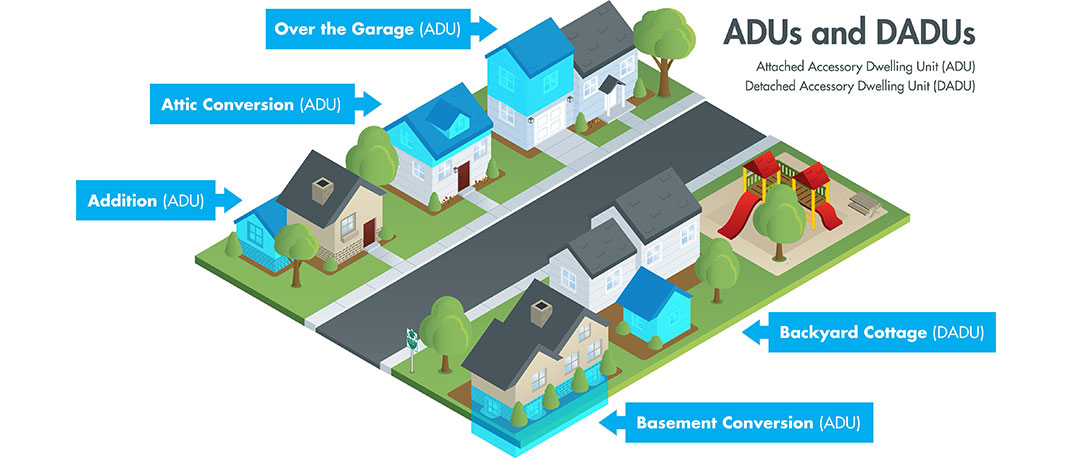
Accessory dwelling units, commonly called an adu, are secondary living spaces built on a residential lot that already contains a house. There are several adu types available to property owners, including detached units, attached additions, and garage conversions, and each approach changes the design, costs, and construction timeline. In Napa Valley, these units add housing capacity without requiring new land or major infrastructure. State law in California now supports adu construction across nearly every residential zone, which means many property owners have more building options than they may realize.
Before starting design work, homeowners should understand how the county applies state building rules to accessory dwelling units on the ground. Zoning generally allows one adu, and sometimes a smaller junior unit, on a qualifying residential lot, though setbacks, height limits, and lot coverage still vary by cities within the county. Because California state law limits how restrictive local ordinances can be, Napa County has updated its code to stay compliant while still managing how new construction fits into existing neighborhoods.
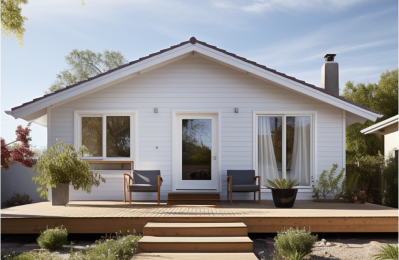
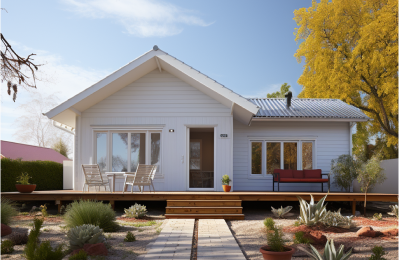
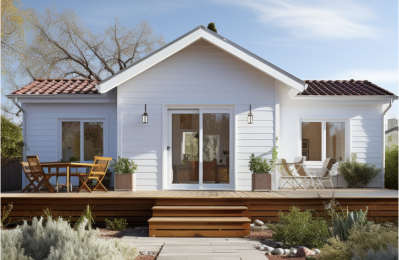
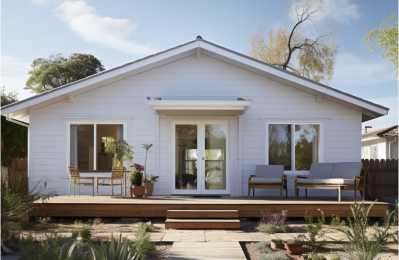
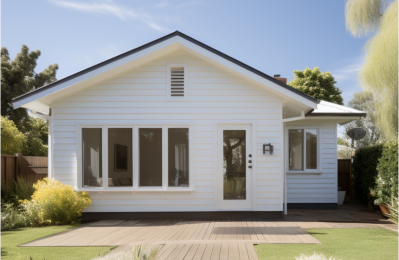
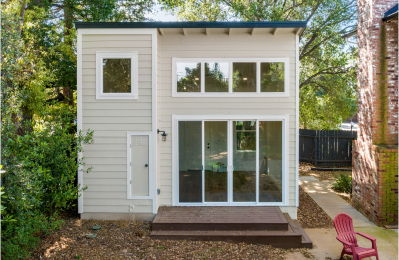
Detached adus are allowed on most residential lots in the county, subject to setback distances and a maximum height limit that depends on the zone. Some cities permit these units up to two stories, while others cap height at one story based on lot size and density. A team of local professionals familiar with these rules can quickly confirm what is allowed on a specific lot before construction moves forward.
Choosing one of the best adu contractors is one of the most important decisions in the entire process. Look for adu contractors with completed projects in Napa, since local experience usually means fewer surprises during the approval process and inspection. Ask for references, a clear breakdown of adu costs, and a realistic construction schedule before signing anything. The best adu contractors handle planning, approvals, and construction as one coordinated process instead of passing clients between separate companies, and they take pride in craftsmanship that results in high quality adus built to last.
Ask adu contractors how many projects they have completed specifically in Napa, since the approval process can differ from neighboring counties. It also helps to confirm whether the contractor manages the full application, including utility connections and engineering, or whether you need to coordinate separate trades yourself.
Two common paths for adu construction in Napa are building a detached unit and completing garage conversions. These units sit apart from the primary home and generally offer more privacy, which makes them a strong choice for a rental unit or space for extended family. Garage conversions reuse an existing structure, which tends to lower both costs and construction time since the foundation and roof are already in place.
This approach has grown popular in Napa because it skips new foundation work and can often be completed faster than building a detached unit from the ground up. A garage conversion still needs proper insulation, plumbing, and electrical upgrades to work as a comfortable rental unit, but the existing shell gives property owners a head start on design and budget alike.
Every adu project moves through a similar sequence: design, permitting and application, construction, and a final inspection before the unit is considered complete. Knowing this process ahead of time helps homeowners set realistic expectations for timeline and adu costs.
The design phase sets the layout, square footage, and exterior style of the new space, whether it sits apart from the property or connects near the main home. Good design also accounts for light, storage, and outdoor placement within the footprint that county zoning allows.
Once design plans are finalized, the application moves into the approval stage, where the county checks the plans against building and safety code. After permits are issued, construction begins, and most straightforward projects are completed within several months depending on scope and the availability of general contractors.
The application process is often the step that causes the most confusion during adu construction. Napa County requires a complete submission with site plans, structural drawings, and documentation showing compliance with setback and utility rules. Working with professionals who submit applications to the county on a regular basis can shorten review times, since they already know what the permitting office expects from a new project.
Cost is often the biggest hurdle to building an adu, which is why many property owners look into a loan program built specifically for accessory dwelling units. A dedicated loan program can cover design, approvals, and construction costs, making it possible to build without draining savings. Loan program support has expanded across California as the state pushes to grow housing supply through adu construction.
California offers a loan program through state housing agencies that helps cover predevelopment costs such as design and application fees, which are often due before construction financing is available. This type of loan program is useful for property owners who want a rental unit but do not yet have enough equity to cover upfront costs, especially those near the area median income who may qualify for additional assistance.
Beyond state options, some lenders in the county offer a construction loan program built around accessory dwelling units, letting residents borrow against future property value rather than only current equity. Comparing loan program terms across a few lenders before choosing one can save real money over the life of the loan.
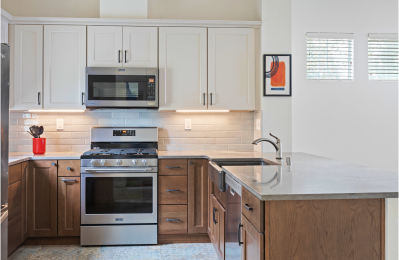
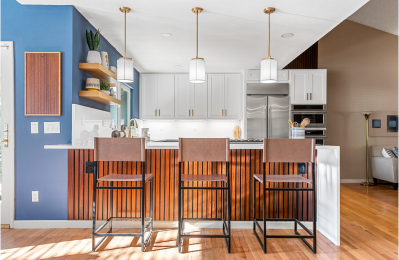
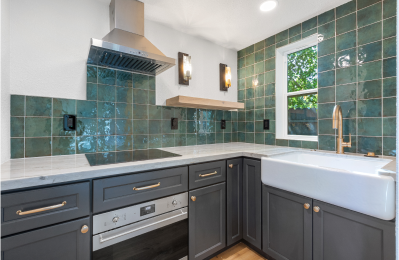
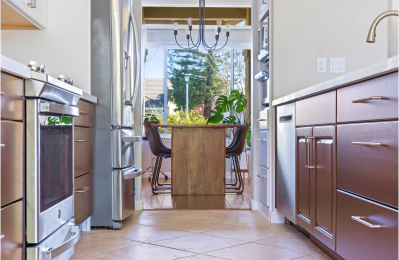
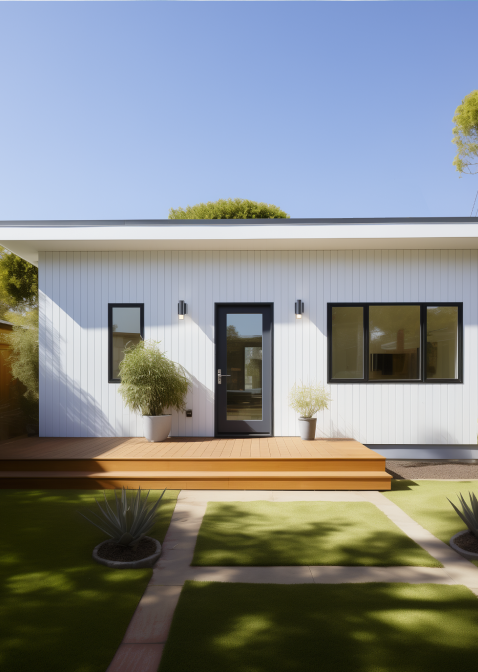
Thoughtful design turns a basic adu into a space that feels like a natural part of the property rather than an afterthought. Homeowners should think about how the new structure relates to the house, how much privacy the rental unit will have, and how outdoor space gets shared or divided. Many Napa homeowners choose finishes that match the existing house so the property keeps a cohesive look from the street.
Beyond extra space, one of the biggest draws of building an adu is the potential to generate rental income. A well-built rental unit in Napa can bring in meaningful rent each month, given strong demand from wine country workers and visitors seeking longer term housing. Beyond the monthly rent, a completed adu tends to lift home value, since appraisers increasingly treat these units as income-producing square footage rather than a simple accessory structure.
Construction costs for an adu in Napa County vary widely depending on size, materials, and whether the project involves a detached structure or a garage conversion. Site work, utility connections, and design fees all factor into total adu costs, and homeowners should budget permitting fees as a separate line item from construction itself. Getting several detailed quotes from the best adu contractors before selecting one company helps property owners understand realistic costs for their property and avoid surprises once construction is underway.
Napa County includes several cities, each with slightly different permitting timelines and design review standards for adu construction. A contractor who has completed projects across multiple cities, not just one, tends to have a broader sense of what different jurisdictions expect during application and inspection, which often means fewer delays once construction starts.
Accessory dwelling units are increasingly seen as a housing solution for families who want multiple generations on one lot without giving up privacy. Grandparents, adult children, and caregivers can live nearby in a separate space while staying close to the household. For many families, this setup supports aging in place and eases the cost pressure of separate housing amid the region’s ongoing housing affordability crisis.
Before homeowners consult with a contractor about a loan program, they should compare experience, pricing, and communication style, since an adu is a significant investment in the home. Committing early to a clear design and a realistic budget helps avoid costly changes once construction is underway. Property owners who plan thoroughly before committing generally report smoother permitting and construction from start to finish.
Homeowners who are interested in custom builds should contact a local adu specialist to walk through their lot, discuss design options, and get a realistic sense of costs and timeline. A free consultation early on can clarify what a given lot allows and which loan program options might fit the project. The Napa Sonoma ADU Center works with families across the county who are interested in high quality adus built with craftsmanship that lasts, from custom adu creation to full custom builds.